Master Rainwater Collection: 8 Easy DIY Ideas You Need to Try
“`html
Master Rainwater Collection: 8 Easy DIY Ideas You Need to Try
Rainwater harvesting is an ancient practice that involves collecting and storing precipitation for later use. This sustainable technique dates back around 12,000 years, and today, it makes perfect sense to utilize this free resource falling from the sky. Whether you’re looking to reduce your water bill or promote conservation, starting with a simple rain barrel system is an excellent way to begin your journey.
What is Rainwater Harvesting?
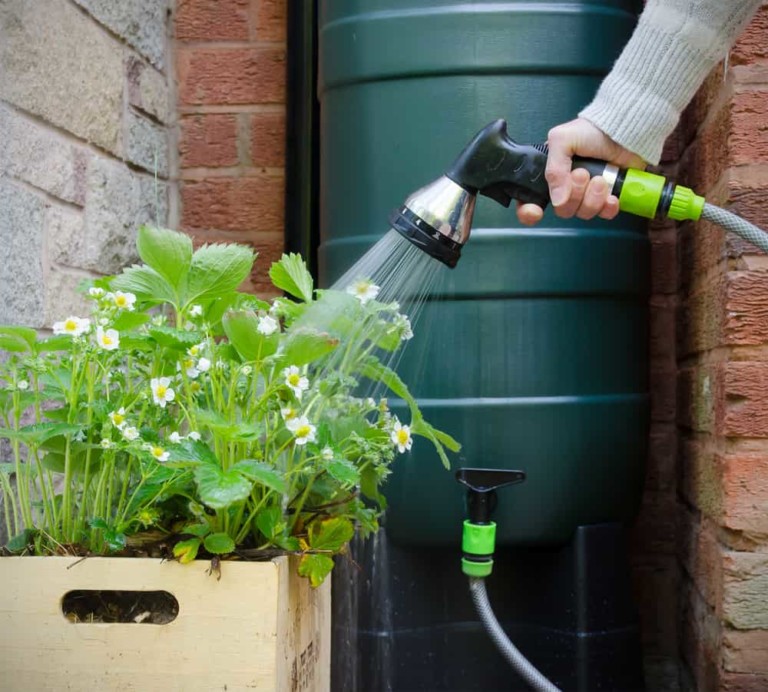
The simplest rainwater harvesting system consists of a rain barrel placed next to your home. Using your roof as a catchment surface, rainwater and melted snow flow into the gutters and are directed into a downspout that leads to the barrel. To ensure clean water, filters and screens can help keep debris out, while a spigot at the bottom allows easy access. You can even connect multiple barrels to increase storage capacity.
For more advanced setups, rainwater can be piped indoors for uses like toilet flushing, potentially cutting water bills by 30%. With the option to start small and scale up, a basic DIY setup can be completed in about half an hour and at a low cost.
Why Save Rainwater?
It’s a Free Source of Water
The primary benefit of rainwater harvesting is that it provides a clean, cost-free water source. This is especially important for the 14 million households in the United States struggling to pay their water bills. As water costs are expected to rise, rainwater can help ease this financial burden.
Rainwater is a High-Quality Source
Rainwater is naturally soft, free from chlorine, fluoride, and other chemicals commonly found in municipal water. It’s also mineral-free, making it perfect for outdoor uses without requiring treatment. Collect rainwater for your garden, pools, or even for washing your vehicle. For drinking or cooking, however, disinfection is necessary to eliminate potential contaminants.
An Independent Water Supply
With an unpredictable future regarding water availability, harvesting rainwater allows you to develop an independent supply. In times of drought or increases in water costs, it can supplement your needs and serve as an emergency backup.
Promotes Water Conservation
Water usage habits often lead to wastefulness, especially with gardens and lawns consuming 33% to 50% of domestic water. By actively engaging in rainwater collection, you become more mindful of your consumption. Before heavily relying on rainwater, consider improving indoor water efficiency with low-flow taps and dual-flush toilets.
Lessens Demand on Groundwater
Groundwater serves as the primary drinking source for over one-third of the global population. While there is plenty today, it’s being consumed faster than it can replenish. Using rainwater can help alleviate pressure on groundwater supplies.
Minimizes Flooding and Runoff
During heavy rains, proper rainwater harvesting can prevent flooding by directing excess precipitation into storage systems. Moreover, it can reduce stormwater runoff, which often carries pollutants, especially in urban areas.
How Much Rainwater Can Be Collected?
Even a light drizzle can accumulate, providing substantial amounts of water. An inch of rainfall over a 1,000-square-foot roof can yield about 623 gallons. To estimate your potential collection, use this formula:
- 1” of rainfall x 1 square foot = 0.623 gallons
Consider checking the NOAA Climate Atlas for your area’s average precipitation to better understand your rainwater collection capacity.
Is Rainwater Harvesting Legal?
Rainwater harvesting is legal in all 50 states, though local rules may vary. Some states, like Colorado, have restrictions, while others, including Florida and Maryland, offer incentives to promote residential rainwater collection.
Considerations Before Setting Up a Rainwater Collection System
- Tank Size: Determine your water usage vs. rainfall patterns to choose the appropriate tank size.
- Roofing Material: Opt for materials like coated steel, terracotta, or concrete tile; avoid materials with harmful chemicals.
- Gutters: Use coated aluminum or vinyl gutters; ensure they are at least 5 inches wide and include covers to improve water quality.
8 Rainwater Harvesting DIYs
Here are eight DIY ideas for non-potable outdoor rainwater collection systems, ranging from simple to more advanced:
- 1. Garbage Can Rain Barrel: A budget-friendly option using a 32-gallon trash can, a faucet, and a flexible downspout. Get the tutorial here.
- 2. A Prettier Rain Barrel: Enhance aesthetics with a mesh screen and hose attachment for overflow. Get the tutorial here.
- 3. The Enclosed Rain Barrel: Conceal your barrel with a wooden enclosure for a more appealing look. Get the tutorial here.
- 4. Standalone Rain Catcher: Ideal for locations without suitable catchment surfaces, using a tarp to collect rain. Get the tutorial here.
- 5. Rain Barrels with PVC Piping: Connect multiple barrels with PVC pipes for an efficient irrigation system. Get the tutorial here.
- 6. 275 Gallon Rainwater Tank: Utilize a recycled intermediate bulk container for enhanced collection capacity. Get the tutorial here.
- 7. Vertical Rain Barrel System: Stack barrels horizontally for space-efficient storage. Get the tutorial here.
- 8. Homesteader Rain Collector: A robust setup for large gardens, featuring a pump and overflow system. Get the tutorial here.
Conclusion
Rainwater harvesting presents an incredible opportunity to harness a free resource while promoting sustainability and independence. Whether you start with a simple rain barrel or invest in a comprehensive system, you can significantly reduce water costs, conserve resources, and foster a more eco-friendly lifestyle. Dive into these DIY ideas, and take the first step toward mastering rainwater collection today!
“`