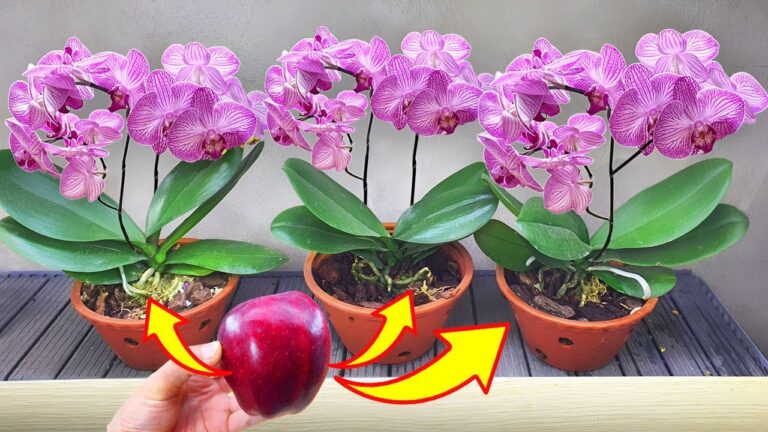
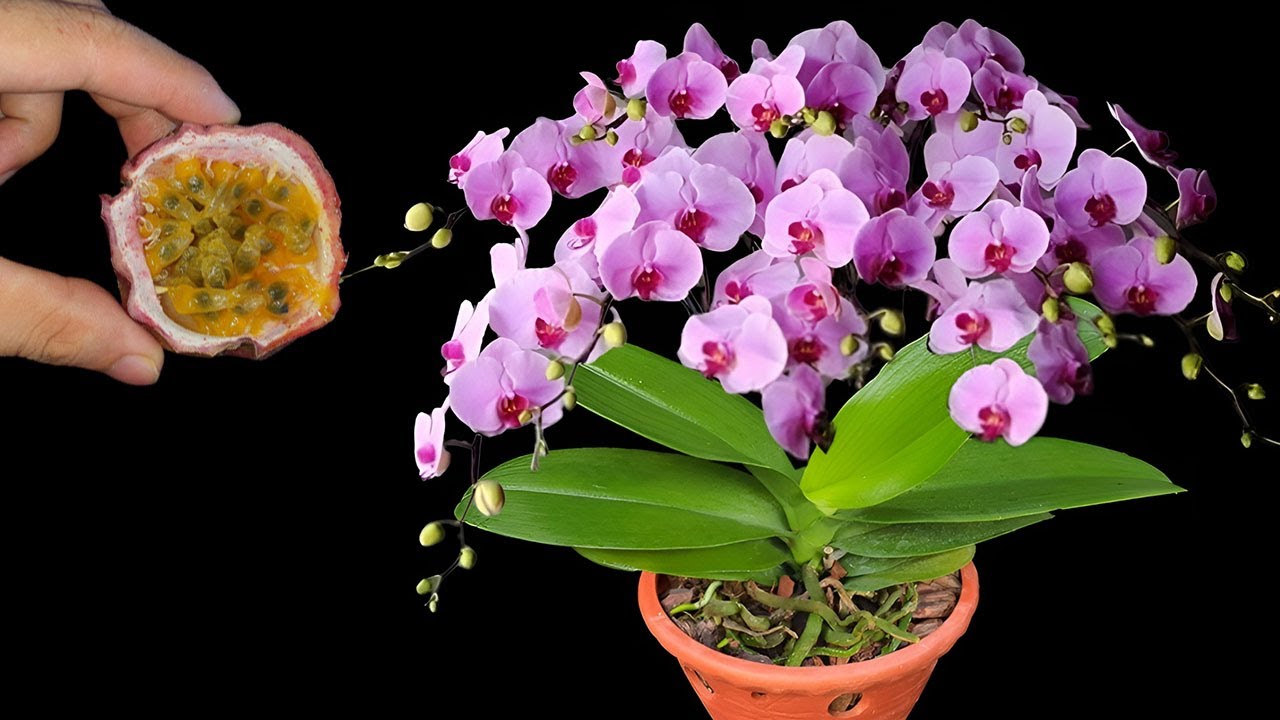
10 Magical Tips to Make Your Orchids Bloom Like Never Before!
10 Tips to Make Your Orchids Bloom Like Never Before
Orchids are one of the most captivating houseplants, often admired for their delicate blooms and exotic appearances. However, many orchid lovers struggle to encourage their plants to bloom consistently. You may find yourself wondering what could be missing in your care routine or if there are specific tricks that could help revive the beauty of your orchids. Understanding their needs in detail could just be the key to transforming your orchids into stunning, reliable bloomers. Keep reading to discover essential tips that will bring your orchid plants to life.
Understanding Orchids
Before diving into care and tips, it’s important to understand the unique characteristics of orchids. Unlike many houseplants, orchids have special needs that must be met for them to thrive and produce flowers.
Types of Orchids
There are multiple types of orchids, each with its own specific needs:
- Phalaenopsis: Also known as moth orchids, these are among the most popular and easiest to care for.
- Cattleya: Known for their vibrant blooms, these orchids thrive in bright light.
- Dendrobium: These require a bit more care and the right humidity level to flourish.
Blooming Cycle
Understanding the blooming cycle of orchids is crucial. Most orchids bloom once a year, depending on species and care. Recognizing their natural cycles will help you provide the right conditions for blooming.
Optimal Growing Conditions
Creating the right environment is essential for your orchids to thrive and bloom. Here are some key factors to consider:
Light Requirements
Most orchids prefer bright, indirect light. Here are some tips:
- Place your orchid near a window, but avoid direct sunlight that can scorch the leaves.
- Rotate your orchid occasionally to ensure even light distribution.
Humidity and Temperature
Orchids thrive in humidity levels of 40-60%. To maintain humidity:
- Consider using a humidity tray filled with water and pebbles.
- Keep your orchids in a bathroom or kitchen where humidity tends to be higher.
Care Tips for Orchids
Proper care significantly impacts the blooming of your orchids. Here are some practical tips to keep them healthy:
Watering Guidelines
Overwatering is a common mistake. Here’s how to water your orchids correctly:
- Water once a week during active growth seasons.
- Check that the potting mix is dry before watering again.
Nutrient Needs
Feeding your orchids can aid in stronger blooms:
- Use a balanced orchid fertilizer every second week during the growth period.
- Reduce feeding during the dormant season to avoid over-fertilization.
Common Mistakes to Avoid
Here are some common mistakes that can hinder your orchids from blooming:
1. Overwatering
Waterlogged roots can lead to root rot, a serious issue. Always allow the potting mix to dry out slightly between waterings.
2. Insufficient Light
Underexposure to light can prevent blooms from developing, so make sure your orchids are in an adequately lit space.
3. Ignoring Temperature Changes
Orchids are sensitive to temperature changes. Avoid placing them near drafts or heating vents, which can stress the plants.
FAQ
How often should I water my orchids?
Water your orchids once a week, ensuring that the potting mix is dry before the next watering.
Why isn’t my orchid blooming?
Your orchid may not be blooming due to insufficient light, improper watering, or lack of nutrients. Adjusting these factors may help.
Can I use regular plant fertilizer on my orchids?
It’s best to use a fertilizer specifically designed for orchids to avoid over-fertilizing and damaging the plants.
By understanding the specific needs of your orchids and avoiding common pitfalls, you’ll greatly increase your chances of enjoying vibrant blooms. Which of these tips will you try on your orchids to enhance their blooming? Share your experiences in the comments!