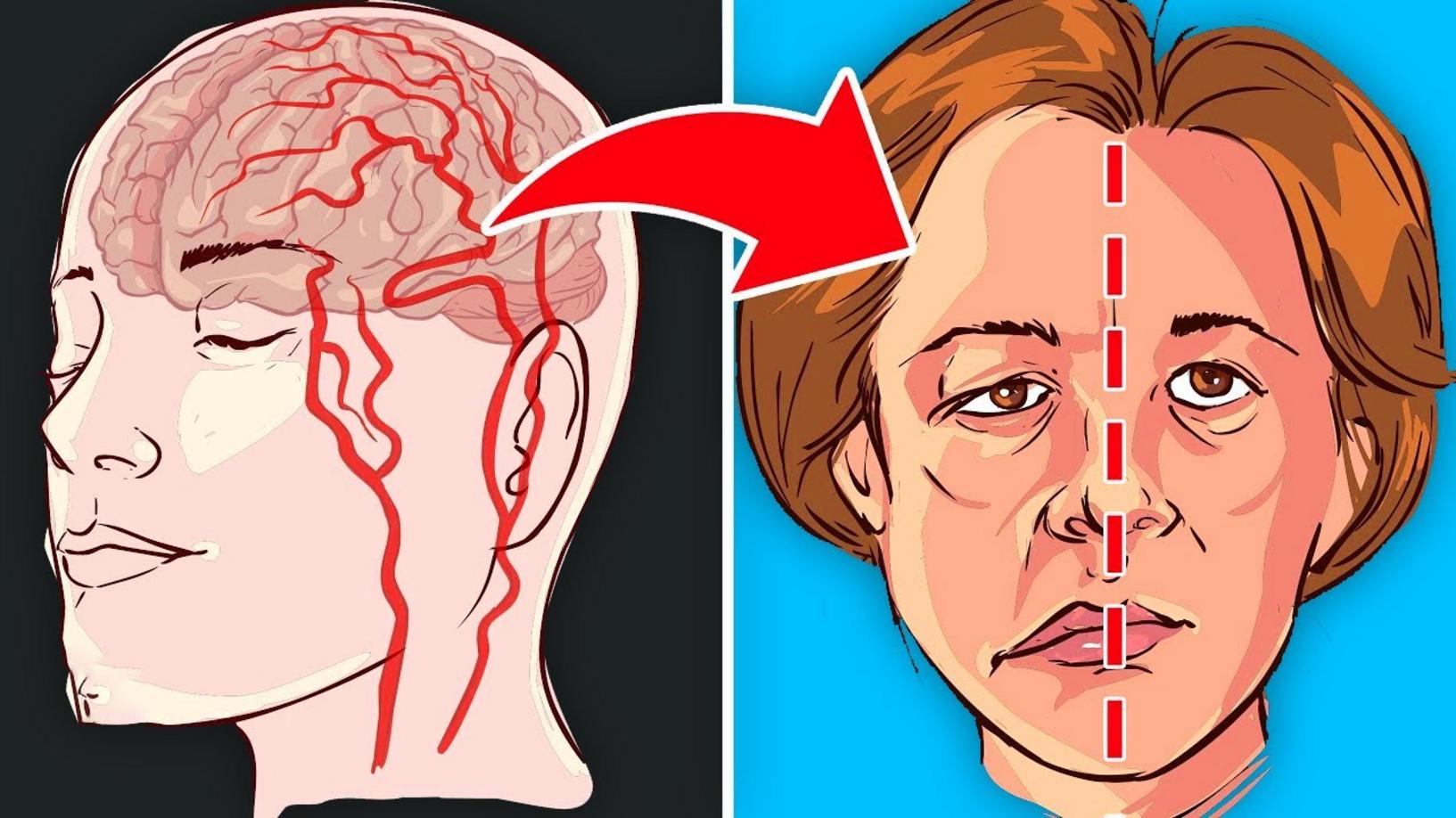
This simple food swap could dramatically lower your stroke risk…
This Simple Food Swap Could Dramatically Lower Your Stroke Risk
Understanding the Stroke Risk
**Strokes** are one of the leading causes of disability and death worldwide. The good news is that making intentional food choices can significantly lower your risk. By swapping just a few common items in your diet, you can make a big impact on your overall health.
Step-by-Step: Simple Food Swaps
Here are some effective food swaps that can help you reduce your stroke risk:
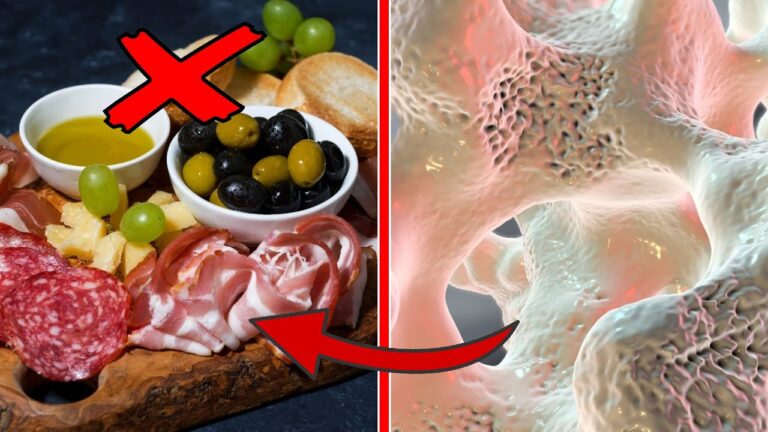
1. Replace Processed Meats with Lean Proteins
- Why? Processed meats contain preservatives and unhealthy fats.
- Swap: Opt for skinless chicken, turkey, or fish.
2. Choose Whole Grains Over Refined Grains
- Why? Whole grains retain more nutrients and fiber.
- Swap: Choose brown rice, quinoa, or whole-grain bread instead of white rice or white bread.
3. Incorporate More Fruits and Vegetables
- Why? They are rich in antioxidants and essential vitamins.
- Swap: Make a habit of including colorful fruits and veggies in every meal.
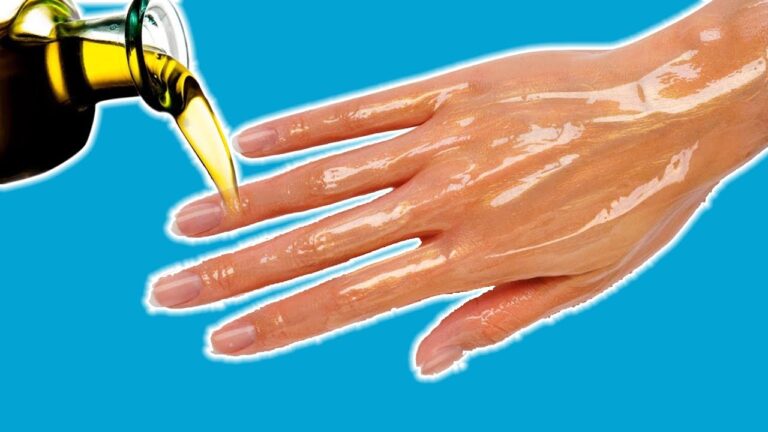
4. Use Olive Oil Instead of Butter
- Why? Olive oil contains healthy fats that are beneficial for your heart.
- Swap: Use olive oil for cooking or as a salad dressing.
5. Opt for Low-Fat Dairy Products
- Why? High-fat dairy can contribute to heart problems.
- Swap: Choose low-fat milk, yogurt, and cheese.
6. Replace Sugary Snacks with Nuts
- Why? Nuts provide healthy fats and can help maintain stable blood sugar levels.
- Swap: Snack on a handful of almonds, walnuts, or pistachios instead of cookies or candy.
7. Drink Water Instead of Sugary Beverages
- Why? Sugary drinks can lead to weight gain and increase stroke risk.
- Swap: Fill your glass with water, herbal tea, or infuse water with fruits for flavor.
8. Choose Dark Chocolate Over Milk Chocolate
- Why? Dark chocolate is lower in sugar and rich in antioxidants.
- Swap: Enjoy a piece of dark chocolate with at least 70% cocoa content.
9. Eat Fish Instead of Red Meat
- Why? Fish is a great source of omega-3 fatty acids, which are good for heart health.
- Swap: Include salmon, mackerel, or sardines in your meals.
Common Mistakes to Avoid
When making food swaps, it’s easy to fall into some common traps:
- Overdoing the Calories: Just because something is healthy doesn’t mean you can eat it in excess. Portion control is key.
- Ignoring Nutritional Labels: Always check labels for hidden sugars, unhealthy fats, and sodium levels.
- Being Too Rigid: Don’t eliminate all your favorite foods. Balance is essential for a sustainable lifestyle.
Conclusion: Take Charge of Your Health
Making these simple food swaps is not just about lowering your **stroke risk**—it’s about taking charge of your health and embracing a vibrant lifestyle. Start making these changes today, and inspire those around you to do the same.
Ready to take your health to the next level? Swap out those unhealthy choices now and enjoy the benefits of a heart-healthy diet!