This simple method transforms kitchen scraps into lush coriander…
This Simple Method Transforms Kitchen Scraps into Lush Coriander
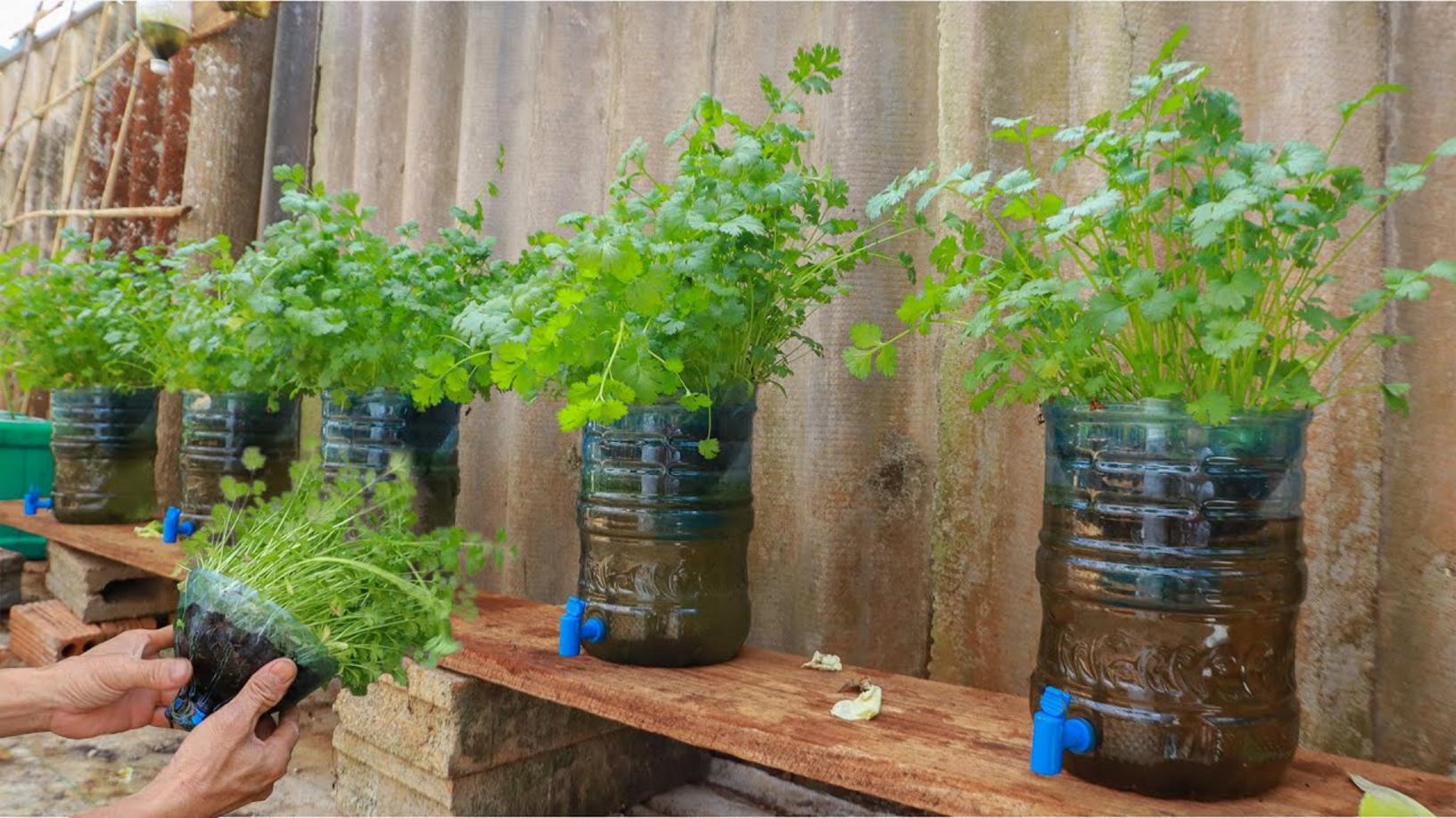
Are you tired of tossing your kitchen scraps into the trash? What if I told you that those leftover bits could be transformed into **lush, vibrant coriander** right in your own kitchen? This simple method not only reduces waste but also allows you to grow fresh herbs at home. Let’s dive into the step-by-step process and uncover how to make the most of your kitchen leftovers.
Step-by-Step Guide to Growing Coriander from Scraps
1. Gather Your Kitchen Scraps
The first step is to collect **coriander stems or roots**. Whenever you chop fresh coriander for a recipe, don’t throw away the stems! Instead, set them aside in a small bowl.
2. Prepare the Cuttings
Once you have your scraps, rinse them gently under cool water to remove any dirt or pesticides. This will help protect your new plants as they begin to grow.
3. Choose the Right Container
Select a small pot or container with drainage holes. Fill it with a good-quality **potting mix** that retains moisture without becoming waterlogged.
4. Plant the Scraps
Push the coriander stems into the soil, ensuring that they are covered well. If you’re using roots, plant them upright. Make sure they’re snugly in the soil to provide support.
5. Water Carefully
Give the soil a gentle watering to moisten it without soaking it. Keep the soil consistently moist, but avoid overwatering.
6. Provide Adequate Light
Place the pots in a location that receives **indirect sunlight** for at least 4-6 hours a day. A sunny windowsill works perfectly!
7. Be Patient
Watch as your coriander begins to sprout! This process usually takes about 1-2 weeks. Be patient, and enjoy the transformation from scraps to greens.
Practical Tips for Success
- Regular Maintenance: Water your plants regularly but don’t flood them.
- Fertilize: A diluted liquid fertilizer can be beneficial once or twice a month to promote growth.
- Harvest Gently: As the leaves grow, snip them off with clean scissors to encourage more growth.
Common Mistakes to Avoid
- Overwatering: Too much water can rot the stems. Ensure your pot has good drainage.
- Insufficient Light: If your coriander isn’t getting enough light, it may become leggy. Move it to a sunnier spot.
- Ignoring Pests: Watch for pests like aphids. If you spot any, treat them promptly with eco-friendly solutions.
Conclusion: Start Growing Today!
You now have all the tools you need to transform your **kitchen scraps** into lush coriander. Not only will this eco-friendly project save you money, but it will also bring fresh flavor to your meals. So, gather those scraps, find a pot, and start this delightful journey of home gardening. Don’t forget to share your experience and successes with us! Happy planting!