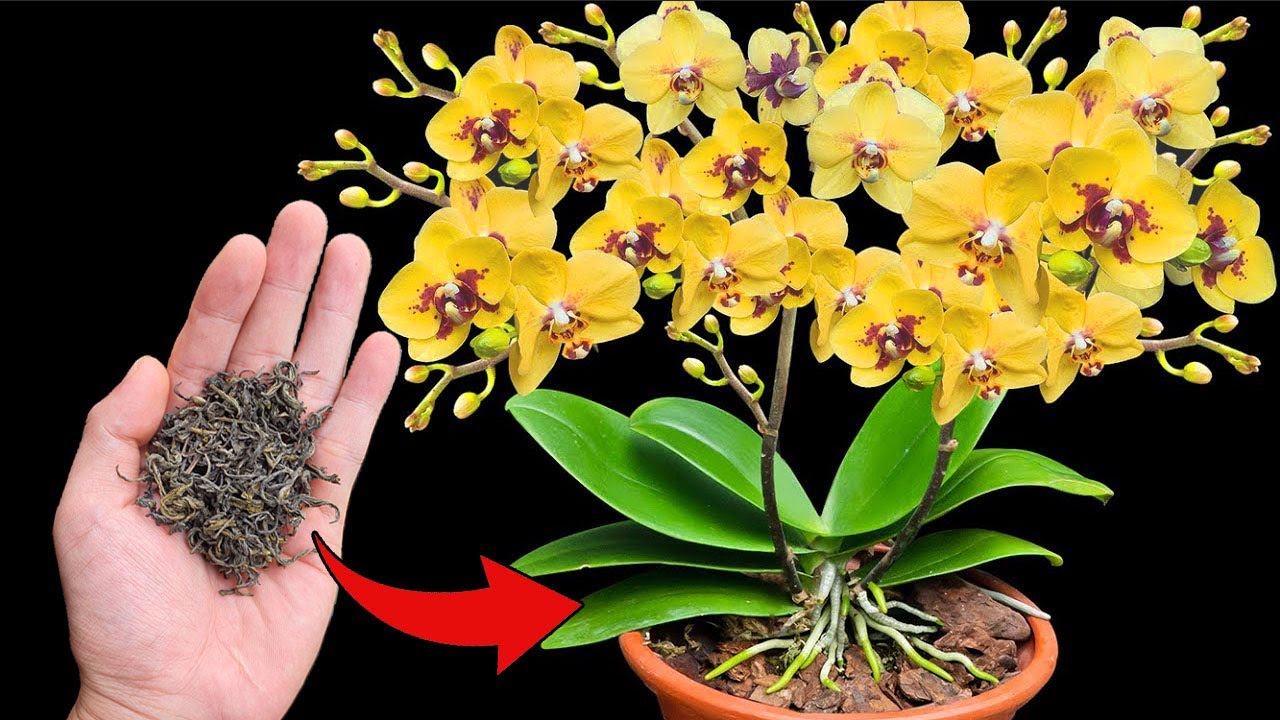
Unlock 7 Tips to Make Your Orchids Bloom Magical Flowers Quickly!
7 Tips to Make Your Orchids Bloom Beautifully
- Introduction
- Providing Adequate Light
- Optimal Temperature
- Correct Watering Techniques
- Common Mistakes
- FAQ
- Conclusion
Introduction
Orchids are known for their stunning blooms, but achieving a lush, vibrant display can sometimes feel challenging. You may find yourself wondering why your precious plants have yet to flower, despite providing the right care. The excitement of watching these beauties transform can be just out of reach, often leaving you with lingering questions about their specific needs. Delving deeper into how to care for orchids can unlock the secrets to encouraging those gorgeous blooms. Keep reading to explore effective strategies that can elevate your orchid care.
Providing Adequate Light
Light is one of the most crucial factors that influence your orchid’s blooming cycle. Understanding your plant’s light requirements can significantly enhance its chances of flowering.
Choosing the Right Location
Most orchids thrive in bright, indirect sunlight. 1. Position your orchid near a window where it can receive filtered light without being scorched by direct sun. If your window faces south, consider using sheer curtains to soften the rays.
Monitoring Light Levels
Orchids can also indicate their light needs through their leaves. 2. Observe the color of the leaves; dark green leaves may suggest that the plant is not receiving enough light, while yellowing leaves can indicate too much sun.
Using Supplemental Lighting
If natural light isn’t sufficient, especially during winter months, you may need to 3. Consider investing in growth lights. These can help provide the necessary illumination that orchids crave and encourage blooming.
Optimal Temperature
Your orchids have specific temperature preferences, which can greatly affect their blooming potential. Understanding these needs ensures they thrive.
Day and Night Temperature Ranges
Generally, orchids prefer a temperature range of 65°F to 80°F (18°C to 27°C) during the day. 1. Maintain cooler night temperatures around 60°F to 70°F (15°C to 21°C) to mimic their natural habitat, helping trigger the blooming process.
Adapting to Seasonal Changes
As seasons change, be ready to 2. Adjust your orchid’s environment. During warmer months, keep your orchids in a cooler part of your home to avoid heat stress.
Humidity Considerations
Orchids also thrive in high humidity. You can 3. Increase humidity by placing a tray filled with water and pebbles underneath your pots or using a humidifier in the room.
Correct Watering Techniques
Proper watering is essential for keeping your orchids healthy and promoting blooming. Over-watering or under-watering can lead to stress, which may prevent flowers from developing.
Finding the Right Schedule
A general rule of thumb for watering orchids is to allow the potting medium to dry out slightly between waterings. 1. Water your orchids thoroughly and allow excess water to drain out. This practice helps prevent root rot.
Checking Soil Moisture
To accurately determine when to water, 2. Check the moisture level by inserting your finger into the potting mix. If it feels dry about an inch down, it’s time to water again.
Adjusting for Potting Medium
The type of potting medium also affects how often you should water. If you’re using a bark medium, 3. Expect to water more frequently, while sphagnum moss holds moisture longer and requires less frequent watering.
Common Mistakes
When caring for orchids, it’s easy to make mistakes that can hinder their growth and flowering potential.
Overwatering
One of the most detrimental errors is overwatering. Roots need air, so allow them to dry out between waterings to prevent root rot.
Neglecting Fertilizer Needs
If you skip fertilizing your orchids, they may lack essential nutrients required for blooming. Using a balanced fertilizer during the active growth period can help boost flowering.
Ignoring Temperature Changes
Failing to account for temperature fluctuations, particularly during the night, can stress your orchids. Maintaining a stable temperature is key to encouraging blooms.
FAQ
How often should I water my orchids? It’s best to water your orchids when the potting medium feels dry about an inch down, typically every 1 to 2 weeks, depending on humidity and temperature.
What type of light do orchids need? Orchids thrive in bright, indirect sunlight. Avoid direct sunlight, which can scorch the leaves.
Should I fertilize my orchids year-round? Fertilizing is most beneficial during the active growing season. You can reduce or stop fertilization during dormancy in fall and winter.
Conclusion
By providing the right light, temperature, and watering techniques, you can ensure your orchids remain healthy and promote stunning blooms. What tips have you found helpful in your own orchid care journey? Please share your thoughts in the comments!