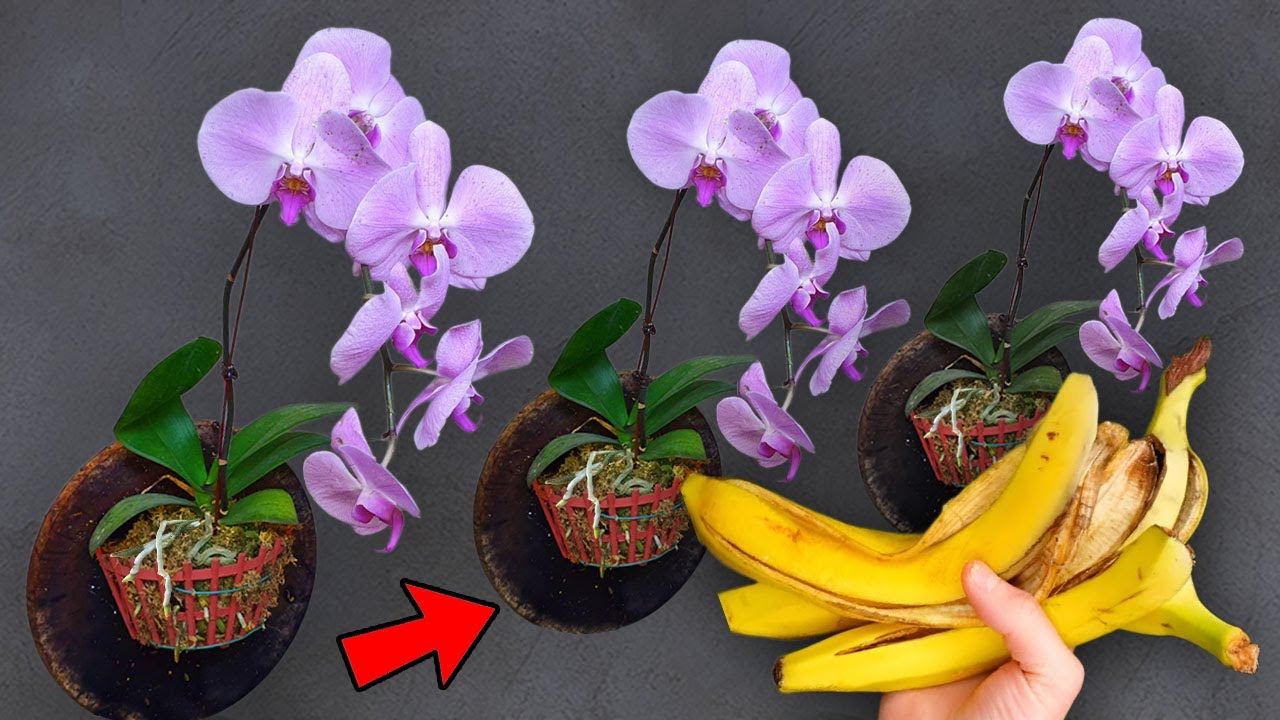
Revive Your Orchids: 3 Simple Tips for Stunning Blooms Again!
Revive Your Orchids: 3 Simple Tips for Stunning Blooms Again!
- Introduction
- Nurturing Your Orchids
- Water and Light Requirements
- Feeding Strategies
- Common Mistakes
- FAQ
- Conclusion
Introduction
It can be disheartening to watch your beautiful orchids fade and stop blooming. You may notice yellowing leaves or drooping flowers, leaving you wondering what went wrong. Perhaps you’ve tried various methods to bring them back to life, but nothing seems effective. Whether you are a seasoned gardener or a novice, understanding what your orchids need can make a significant difference. Keep reading to discover actionable tips to help your orchids flourish and produce stunning blooms again.
Nurturing Your Orchids
To successfully revive your orchids, it’s essential to understand their basic care requirements. Here are some tips to ensure your plants thrive:
1. Choose the Right Environment
Orchids thrive in conditions that mimic their natural habitat:
- Location: Place your orchids in a spot that receives bright, indirect sunlight. This encourages growth without causing sunburn.
- Temperature: Maintain a temperature range of 65-75°F (18-24°C) during the day and slightly cooler at night.
- Humidity: Orchids love humidity; ideally, keep the humidity level between 40-70%. Using a humidity tray or misting can help.
2. Monitor Air Circulation
Good air circulation is crucial for keeping orchids healthy:
- Ensure there is airflow around your orchids, especially during hot months.
- A small fan can help maintain airflow if your space feels stagnant.
Water and Light Requirements
Proper watering and light exposure are key components of orchid care.
1. Watering Techniques
Watering is often a common challenge. Here are steps to do it right:
- Check the medium: Ensure the potting medium is dry before watering again. Overwatering can lead to root rot.
- Watering frequency: Generally, orchids should be watered every week, but this can vary depending on the environment.
- Drainage: Always use pots with drainage holes to prevent excess water from accumulating.
2. Light Management
Getting the lighting just right will help your orchids bloom:
- Use sheer curtains if your orchids are near a window to filter sunlight.
- If the leaves start to yellow, it might indicate too much direct sunlight.
Feeding Strategies
Nourishing your orchids properly is vital for their growth and blooming.
1. Choosing the Right Fertilizer
Use a balanced orchid fertilizer to give your plants essential nutrients:
- Select a fertilizer with nitrogen, phosphorus, and potassium. A common ratio is 30-10-10.
- Look for fertilizers that are designed specifically for orchids.
2. Frequency of Feeding
Knowing when and how often to fertilize can enhance your orchids’ health:
- Apply fertilizer: Generally, fertilize every 2-3 weeks during the growing season, and once a month in the dormant season.
- Dilution: Always dilute the fertilizer to half the recommended strength to prevent root burn.
Common Mistakes
Even experienced caregivers can make errors. Here are some common mistakes to avoid:
- Overwatering your orchids can lead to root rot; allow the growing medium to dry out.
- Placing orchids in direct sunlight may scorch the leaves; always ensure filtered light.
- Neglecting to repot your orchids can constrain their growth; consider repotting every 1-2 years.
- Using regular houseplant fertilizer instead of orchid-specific formulas may lead to nutrient imbalance.
- Ignoring humidity levels can stress your orchids; keep an eye on the ideal humidity range.
FAQ
How often should I water my orchids?
You should generally water your orchids every week, allowing the potting medium to dry out before the next watering. However, this may vary based on the environment.
What type of light is best for orchids?
Orchids prefer bright, indirect sunlight. Too much direct sun can damage the leaves, so consider using sheer curtains if they’re near a window.
How can I tell if my orchid is healthy?
A healthy orchid will have vibrant green leaves, firm roots, and blooming flowers. Watch for signs of yellowing leaves or mushy roots, indicating issues.
Conclusion
By carefully nurturing your orchids, providing proper water and light, and implementing effective feeding strategies, you can encourage them to bloom beautifully again. What tips have you found helpful in caring for your orchids? Your experiences could help fellow enthusiasts.