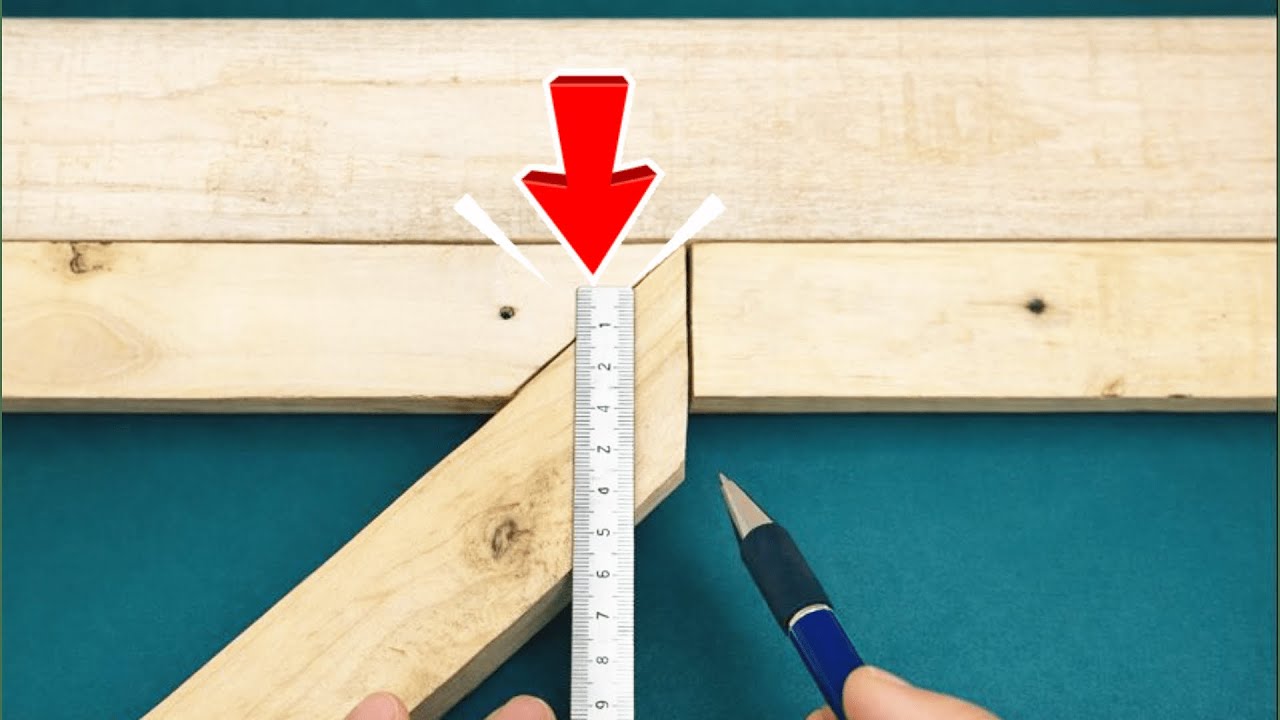
2mm Misaligned Wood Joint: Discover 5 Major Mistakes and How to Fix Them!
Fixing a 2mm Misaligned Wood Joint: 5 Common Mistakes to Avoid
- Understanding Misalignment
- Common Mistakes to Avoid
- Practical Tips for Correction
- Prevention Strategies for Future Projects
- FAQ
Understanding Misalignment
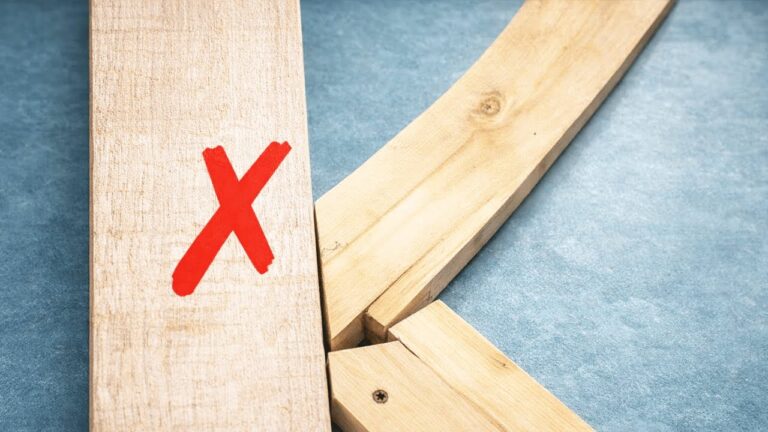
You’ve just finished a beautiful woodworking project, but upon assembly, you notice a frustrating 2mm misalignment in a joint. This small error can lead to big problems, including structural weakness and an unappealing finish. Understanding why misalignment occurs is crucial for making effective adjustments. Sometimes, this can stem from mismeasured cuts, improper assembly techniques, or even material expansion. Let’s delve deeper into what may cause these misalignments and how you can address them effectively.
Common Mistakes to Avoid
When correcting a 2mm misaligned wood joint, it’s important to be aware of common pitfalls that can hinder your efforts. Here are a few to consider:
- Ignoring proper measurements: Always double-check your measurements before cutting. Small errors can compound if not caught early.
- Using the wrong tools: Ensure you’re using appropriate tools for the job, like a square or a level, to maintain accuracy.
- Neglecting to dry fit: Before final assembly, always perform a dry fit to see how the pieces come together without glue.
- Over-tightening joints: Applying excessive pressure can distort wood and exacerbate misalignments.
- Not considering wood movement: Wood can expand or contract with humidity changes. Factor this in when planning your joints.
Practical Tips for Correction
Once you identify a misalignment, taking the right steps can help you correct it effectively. Here are some practical tips:
Identify the Type of Joint
Understanding the joint involved can guide your correction approach. Common joints include butt joints, lap joints, and mortise-and-tenon joints.
Adjusting the Joint
- Loosen the fasteners: If you’ve used screws or dowels, gently loosen them to allow for movement.
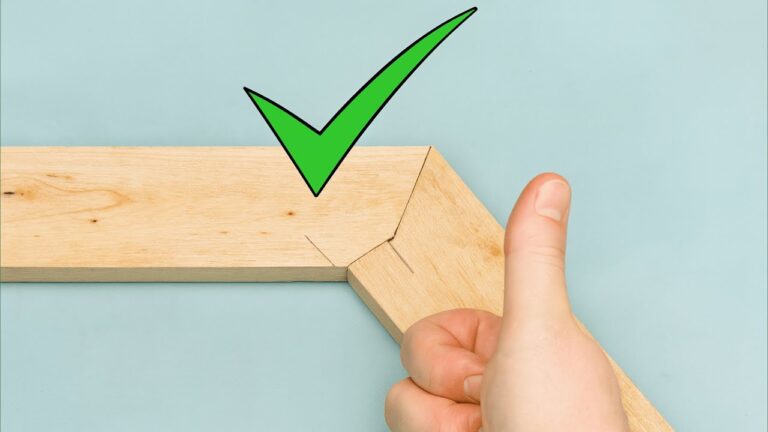
- Realign the pieces: Carefully adjust the misaligned parts until they fit snugly together.
- Tighten the fasteners: Once aligned, securely retighten the fasteners without overdoing it.
Utilizing Fillers
If the alignment is still not perfect after adjustments, consider using wood fillers to create a seamless finish. Choose a filler that matches the wood grain for a more uniform look.
Prevention Strategies for Future Projects
To minimize the chances of dealing with a 2mm misaligned wood joint in future projects, implement these strategies:
- Invest in quality tools: High-quality tools can help you achieve better precision in your cuts.
- Practice accurate measuring: Always measure twice and cut once to avoid errors.
- Improve your technique: Watch tutorials or take classes to enhance your woodworking skills.
- Use clamps effectively: Utilizing clamps during assembly will help hold pieces in place and maintain alignment.
- Choose appropriate wood types: Some woods are more forgiving than others when it comes to adjustments.
FAQ
What should I do if my wood joint is misaligned after gluing?
It’s best to consider reworking the joint. You may need to carefully cut the joint apart and reassemble it, following the appropriate correction techniques.
Can I fix a misalignment without dismantling the project?
In some cases, you can adjust the fasteners or use wood filler, but severe misalignment might necessitate dismantling for proper corrections.
How can I ensure my joints stay aligned over time?
Regularly check the joints, especially with changes in humidity, and use quality fasteners to maintain stability.
Conclusion
Identifying and correcting a 2mm misaligned wood joint can make a significant difference in the quality of your woodworking projects. By being mindful of common mistakes and applying practical tips, you can enhance your skills and create more polished results. Have you encountered joint misalignments in your projects? Share your experiences in the comments below!