7 Tips for a Bumper Strawberry Harvest Every Year
7 Tips for a Bumper Strawberry Harvest Every Year
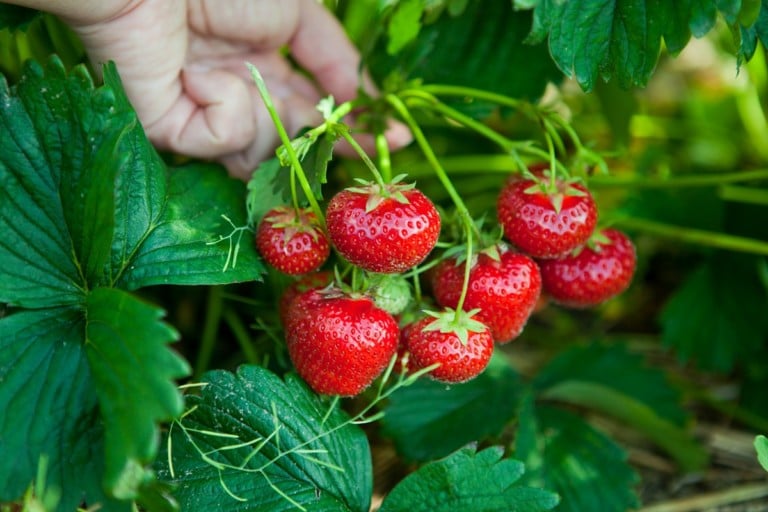
Is there anything more delightful than savoring a homegrown strawberry on a warm summer day? From the vibrant red hue to the sweet aroma, each bite is a sensory experience like no other. Imagine plucking that perfect berry straight from the vine, feeling its warmth, and indulging in the candy-like juices as you savor it. If you want to make the most of your strawberry plants and enjoy copious amounts of juicy strawberries every June, here are seven essential tips to ensure a fruitful harvest year after year.
1. Mulch Your Beds
The simplest yet most effective way to boost your strawberry yield is by mulching. Since strawberries grow directly on the ground, they are vulnerable to various soil-borne diseases. A good layer of mulch protects your plants while retaining moisture and keeping weeds at bay.
- Best Mulch Options: Straw is a fantastic choice for mulching strawberries as it helps regulate soil moisture and prevents dirt from splashing onto the fruit.
- Mulching keeps your berries clean and enhances their chances of thriving.
2. Avoid Watering the Crown
Wet crowns can lead to fungal infections and other diseases. Instead, direct your watering efforts a few inches away from the plant’s crown, preferably using a soaker hose.
- If you don’t have a soaker hose, water gently at the base of the plant to keep leaves dry.
- Ensuring moist roots while keeping crowns dry is crucial for optimal plant health.
3. Maintain a Tidy Strawberry Bed
Keeping your strawberry bed clean is vital for a bountiful harvest. Regularly check for weeds, trim away any diseased leaves, and deal with pests immediately.
- Consider growing strawberries in containers or hanging baskets to elevate your plants and reduce disease risk.
- Make daily visits to your strawberry bed part of your gardening routine to stay ahead of potential issues.
4. Emphasize Nitrogen
Nitrogen is essential for healthy strawberry plants, but timing is everything. Feeding your plants with nitrogen-rich fertilizers in spring and fall will support robust growth.
- As berries begin to form, taper off nitrogen to encourage fruit production rather than leafy growth.
- Natural options like worm tea, blood meal, or compost can effectively boost nitrogen levels without harming roots.
5. Trim Runners
Well-established strawberry plants will send out runners, which can drain energy away from berry production. Regularly check your plants and pinch off these runners to maximize berry yield.
- If you’re looking to propagate, allow a few runners to grow but keep it limited to three per plant.
- Once the new plants are established, trim the connection to encourage growth in the new plants.
6. Perform a Post-Season Trim
After your strawberries have finished fruiting, give them a thorough trim. You can even use a lawnmower if they’re planted in the ground. This encourages new growth for the next season.
- Prune to about 2-3 inches above ground, ensuring you compost the trimmings.
- Late summer is also an excellent time to provide an additional nitrogen boost.
7. Renew Your Strawberry Beds
As strawberry plants age, their berry production diminishes. To maintain a high yield, plan to replace your strawberry plants every four years.
- Letting some runners develop secondary plants can help in this effort.
- Start replacing about a third of your older plants every year to maintain a steady and productive strawberry bed.
Conclusion
By following these simple yet effective tips, you’ll set the stage for a bountiful strawberry harvest every summer. Now that you’re equipped with the knowledge to cultivate delicious strawberries, all that’s left is to enjoy them in your favorite desserts. Happy gardening!