7 Essential Tips for Growing Orchids in Plastic Bottles for Endless Blooms!
7 Essential Tips for Growing Orchids in Plastic Bottles for Endless Blooms
- Introduction
- Selecting the Right Plastic Bottles
- Choosing the Right Growing Media
- Watering and Light Conditions
- Common Mistakes to Avoid
- FAQ
- Conclusion
Introduction
If you’ve recently been enchanted by the beauty of orchids but feel daunted by their care, you’re not alone. Many people admire these stunning flowers yet feel overwhelmed by their requirements. One surprising solution is using plastic bottles as planters, which can make gardening more accessible. Each bottle offers a unique environment for your orchids, allowing them to thrive in a creative and sustainable way. Curious to explore how to make this work for you? Let’s dive into these essential tips!
Selecting the Right Plastic Bottles
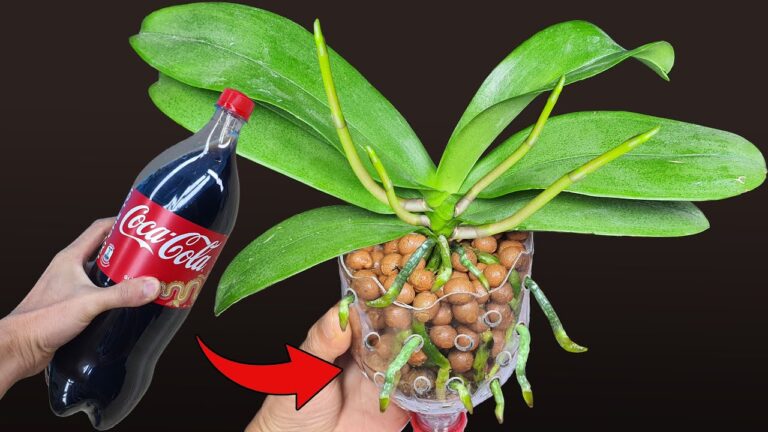
Choosing the right plastic bottles is crucial for growing orchids successfully. Not all bottles will provide the optimal environment for your plants.
1. Consider the Size
Orchids need adequate space to spread their roots. Look for bottles that are at least 2 liters in size, allowing enough room for growth.
2. Check for Proper Drainage
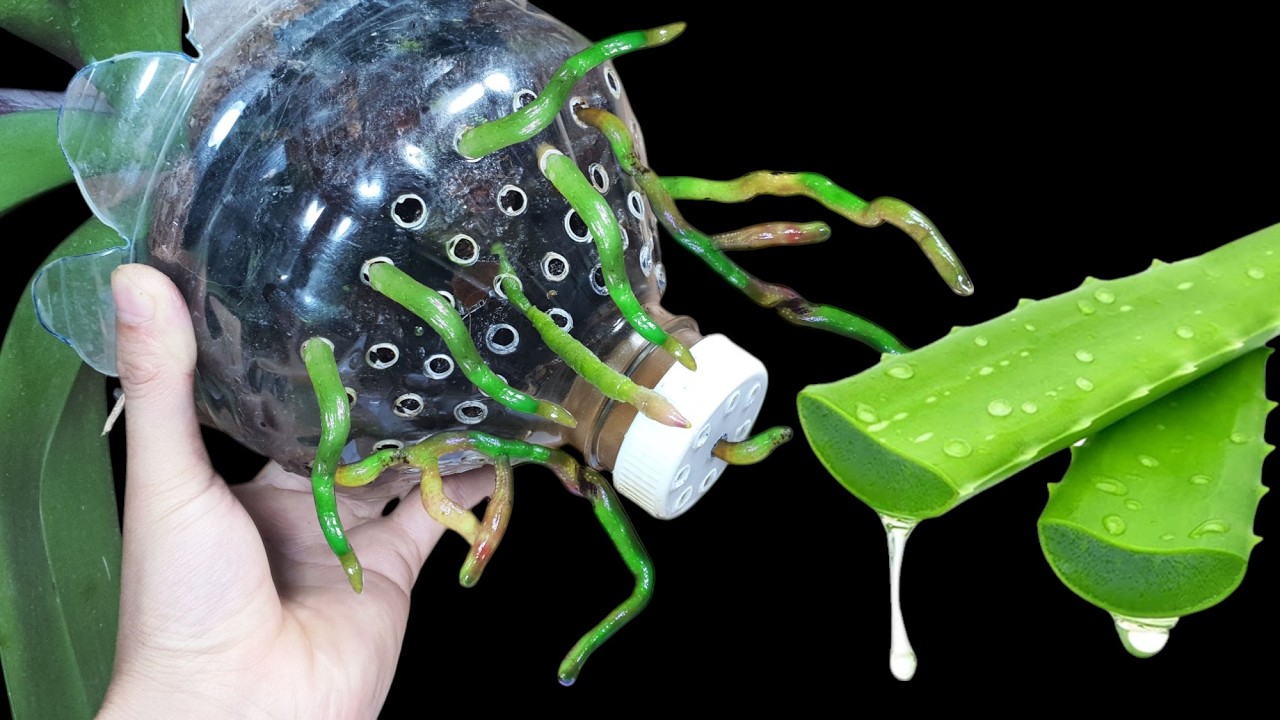
To prevent root rot, ensure that you select bottles with good drainage. Cut holes at the bottom or sides to allow excess water to escape.
3. Opt for Transparent Bottles
Clear plastic bottles are preferable as they allow sunlight to penetrate, which is vital for photosynthesis. Your orchids will love the extra light!
Choosing the Right Growing Media
The right media is essential for your orchids to thrive in plastic bottles.
1. Select a Lightweight Mix
Orchids generally prefer a well-draining medium. A combination of bark, sphagnum moss, and perlite works well. This blend provides aeration and moisture retention.
2. Adjust for Specific Orchid Types
Different orchids have varying needs. For instance, Phalaenopsis orchids enjoy a chunkier mix, while Oncidium orchids may do well with a finer medium.
3. Incorporate Fertilizer Gradually
Start by adding a slow-release orchid fertilizer to your media. This ensures your orchids receive the nutrients they require without overwhelming them.
Watering and Light Conditions
Watering and light are pivotal in ensuring your orchids flourish.
1. Water Appropriately
Water your orchids when the media feels dry to the touch—generally once a week. Remove excess water to avoid soggy roots.
2. Provide Adequate Light
Orchids thrive in bright, indirect light. Position your bottles near a window, but avoid direct sunlight, which can scorch the leaves.
3. Humidity Levels Matter
Orchids enjoy humidity. Misting your plants or placing a small humidifier nearby can help maintain the right environment.
Common Mistakes to Avoid
Even seasoned gardeners can make mistakes. Here are some common pitfalls to watch out for.
1. Overwatering
One of the most frequent mistakes is overwatering, which can lead to root rot. Ensure the roots are allowed to dry between waterings.
2. Neglecting Airflow
Plastic bottles can trap heat and humidity. Ensure your orchids receive sufficient airflow by spacing them apart and using bottles with drainage holes.
3. Ignoring Pests
Watch for signs of pests such as aphids or spider mites. Regularly inspect your plants and take action swiftly to maintain their health.
FAQ
Q1: How often should I water my orchids grown in plastic bottles?
A: Water your orchids once a week or when the growing medium feels dry to the touch.
Q2: Can I use any type of plastic bottle for growing orchids?
A: It’s best to choose 2-liter transparent bottles with proper drainage for optimal growth.
Q3: What type of fertilizer is best for orchids?
A: Use a slow-release orchid fertilizer mixed into the growing media to provide balanced nutrients.
Conclusion
Growing orchids in plastic bottles can be a rewarding experience with the right tips in mind. By selecting the appropriate materials and nurturing your orchids effectively, you can enjoy their breathtaking blooms throughout the year. What challenges have you faced while growing orchids, and how did you address them?