7 Simple Steps to Grow Bountiful Onions at Home
7 Simple Steps to Grow Bountiful Onions at Home
- Introduction
- Required Materials
- Planting Tips for Success
- Care and Maintenance
- Harvesting Onions
- Common Mistakes to Avoid
- FAQ
- Conclusion
Introduction
Have you ever gone to your kitchen and found yourself reaching for a fresh onion but realizing you’ve run out? Growing your own onions at home can not only save you trips to the store, but it can also give you a sense of satisfaction as you enjoy the fruits of your labor. However, many folks struggle with the process of getting started or nurturing their onion plants effectively. You are not alone in this journey, and by exploring the supply and growing process, you can cultivate bountiful onions right in your garden.
Required Materials
Before you dive into growing onions, gather all the necessary materials. Having everything on hand will make the process smoother.
- High-quality onion seeds or sets: Choose varieties that grow well in your climate.
- Garden tools: A spade, trowel, and rake will help in preparing your soil.
- Organic compost: Enriches your soil and promotes healthy growth.
- Watering can or hose: Ensure you can easily hydrate your plants.
Planting Tips for Success
Planting is a crucial step in the onion-growing process. Timing and location can make all the difference.
1. Choose the Right Location
Onions thrive in well-draining soil with plenty of sunlight. Find a spot in your garden that receives at least 6 to 8 hours of sunlight daily.
2. Preparing the Soil
Before planting, prepare your soil by tilling it and mixing in organic compost. Aim for a pH level between 6.0 and 7.0 for optimal growth.
3. Planting Your Onions
Plant onion seeds or sets about 1 inch deep and 4 inches apart. If using seeds, thin them out later for proper spacing.
Care and Maintenance
Nurturing your onion plants is essential for a healthy harvest. Regular maintenance will ensure robust growth.
1. Watering Requirements
Keep the soil consistently moist but not waterlogged. Aim to water your onions deeply once a week, especially in dry periods.
2. Weeding and Mulching
Regularly check for weeds, which can compete for nutrients. Apply a layer of mulch around your plants to prevent weed growth and retain moisture.
3. Fertilizing
Every four to six weeks, feed your onions with an organic fertilizer to boost their growth. Look for nitrogen-rich options to enhance foliage development.
Harvesting Onions
Knowing when and how to harvest your onions can impact their flavor and storage life.
1. Knowing When to Harvest
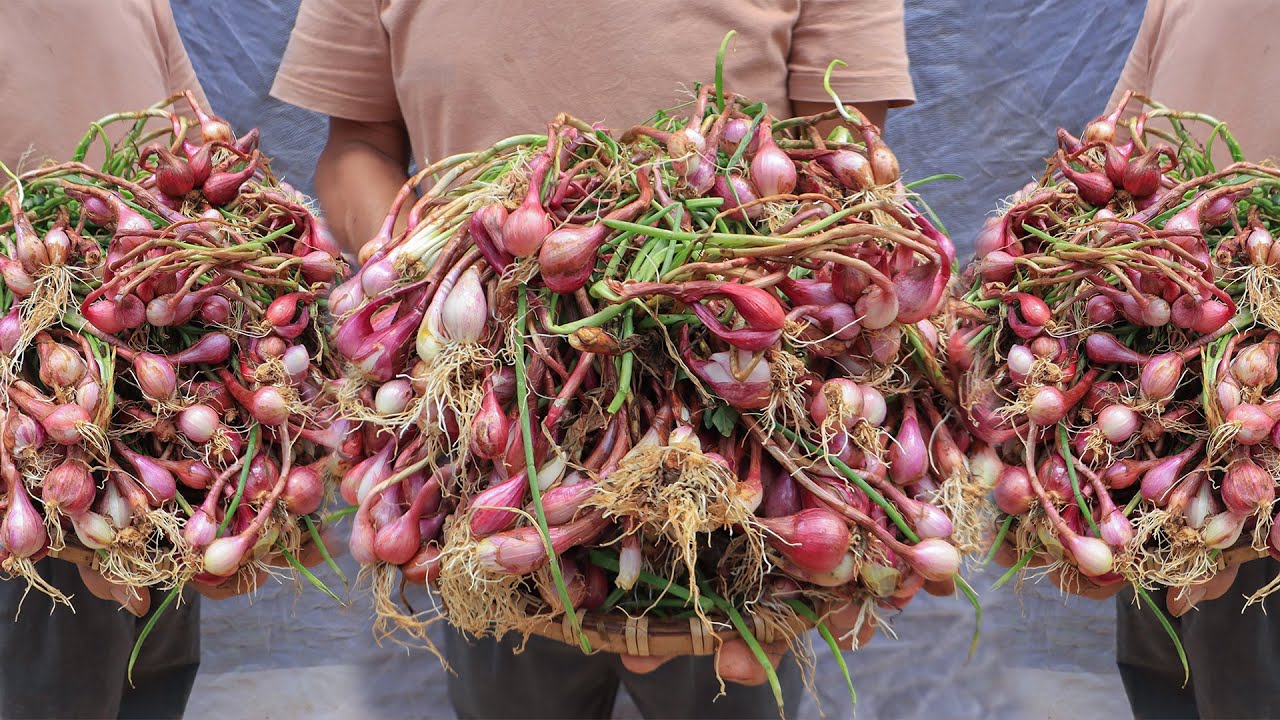
Your onions are ready when the tops begin to yellow and fall over. This usually occurs around 90 to 120 days after planting, depending on the variety.
2. How to Harvest
Gently lift the onions from the soil using a spade or fork, avoiding any bruising. Let them dry in a shaded area for a few days.
3. Storing Your Onions
Once dried, store your onions in a cool, dark place with good air circulation. Avoid plastic bags as they can trap moisture.
Common Mistakes to Avoid
A few common pitfalls can hinder your onion-growing efforts. Being mindful can make all the difference.
- Avoid overcrowding: Ensure proper spacing between plants to promote healthy growth.
- Don’t overlook the importance of soil health: Poor soil can lead to stunted growth.
- Ignoring water needs: Too much or too little water can adversely affect bulb development.
FAQ
What type of onions are best to grow at home?
While it depends on your region, yellow onions, red onions, and green onions are generally well-suited for home gardens.
How long does it take to grow onions from seed?
Typically, onions take 90 to 120 days from planting to harvest, depending on the variety and local conditions.
Can onions be grown in pots?
Yes, onions can thrive in pots as long as they have adequate depth and drainage. Use a large container and provide plenty of sunlight.
Conclusion
Growing onions at home can provide you with a delightful and practical addition to your kitchen. By following these simple steps, you can enjoy bountiful harvests every season. What variety of onions are you excited to grow?