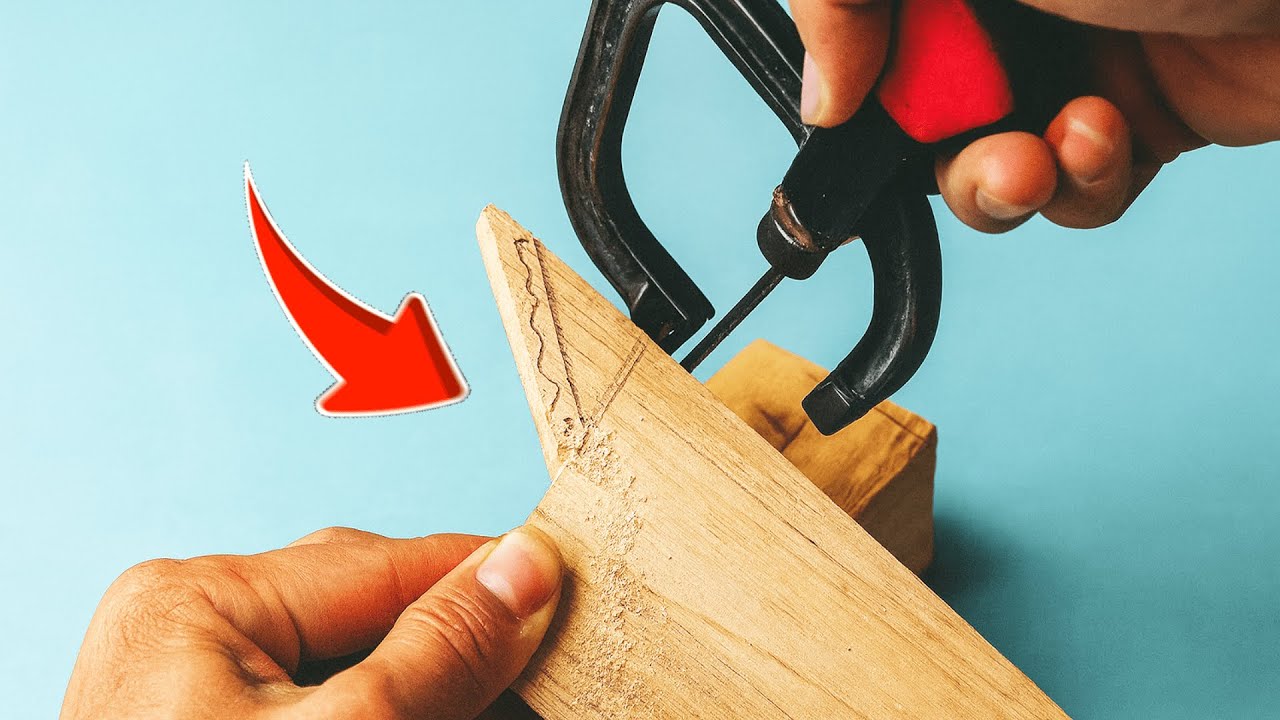
10 Essential DIY Tools for 2025: Beginner-Friendly Wood Cutting Hacks You Need!
Essential DIY Tools You Need for Wood Cutting Hacks in 2025
- Introduction
- Required Tools for DIY Wood Cutting
- Tips and Tricks for Effective Wood Cutting
- Safety Measures to Consider
- Common Mistakes to Avoid
- FAQ
- Conclusion
Introduction
Have you ever felt overwhelmed by the number of tools available for DIY projects, especially when it comes to wood cutting? Choosing the right tools can significantly impact the ease and outcome of your projects, whether you’re making furniture or simple crafts. With so many options, it’s easy to feel uncertain about what you really need. Let’s explore some essential DIY tools that will streamline your wood cutting tasks and make your projects not only easier but also more enjoyable.
Required Tools for DIY Wood Cutting
To successfully navigate your wood cutting projects, it’s crucial to have the right set of tools at your disposal. Below, you’ll find a list of essential tools that every beginner DIY enthusiast should consider.
1. Circular Saw
A circular saw is essential for making straight cuts in a variety of materials. It’s relatively easy to use and offers great precision.
2. Jigsaw
This tool is perfect for making intricate cuts or curves. It’s versatile and allows you to craft unique shapes in your woodworking projects.
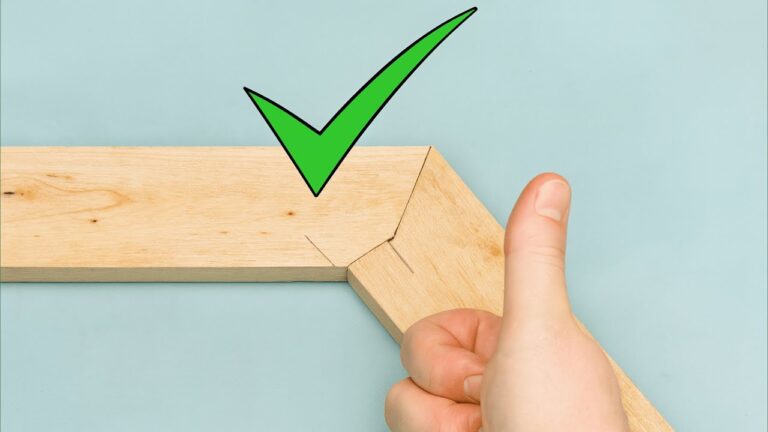
3. Miter Saw
A miter saw is ideal for making angled cuts, especially for frames or moldings. It helps in achieving clean and accurate cuts.
4. Hand Saw
Don’t underestimate the power of a classic hand saw. It’s great for smaller projects and provides control without needing electricity.
5. Wood Chisel Set
Chisels are essential for shaping and detailing wood surfaces. A good set allows for greater precision and fine work.
Tips and Tricks for Effective Wood Cutting
Alongside having the right tools, employing some effective strategies can enhance your wood cutting experience. Here are a few tips to consider:
1. Measure Twice, Cut Once
Accurate measurements are crucial. Taking the time to double-check your dimensions can prevent costly mistakes and wasted materials.
2. Use a Speed Square
A speed square can help you mark accurate angles and lines. It’s a valuable companion for making precise cuts, particularly for framing tasks.
3. Secure Your Workpiece
Always ensure your wood is securely clamped down before cutting. This not only enhances your safety but also allows for more accurate cuts.
4. Maintain Your Tools
Regular maintenance of your tools helps in achieving clean and efficient cuts. Keep your blades sharp and routinely check for any damage.
Safety Measures to Consider
Safety should always be a priority in any DIY project. Here are some safety measures to keep in mind:
1. Wear Protective Gear
Always wear safety goggles and a dust mask when cutting wood. This protects your eyes from debris and your lungs from harmful dust.
2. Keep Your Work Area Organized
A tidy workspace minimizes the risk of accidents. Ensure that all tools are stored safely when not in use.
3. Use Push Sticks
For narrow pieces, use a push stick to guide the wood through the cutter safely. This keeps your fingers at a safe distance from the blade.
Common Mistakes to Avoid
Even seasoned DIY-ers can slip up. Here are some common mistakes to keep an eye out for:
1. Skipping Measurements
Rushing through measurements can lead to inaccuracies. Always take your time to ensure accuracy.
2. Neglecting to Use the Right Blade
Using the wrong blade for your material can lead to poor cuts or damage to the tool. Match your blade to the project for best results.
3. Ignoring Safety Procedures
Some may overlook safety measures when they’re experienced, but neglecting safety can lead to serious injuries.
4. Overlooking Tool Maintenance
Forgoing regular maintenance can decrease the efficiency of your tools and pose safety risks.
FAQ
What tools do I need to start woodworking?
A basic woodworking toolkit typically includes a circular saw, jigsaw, miter saw, hand saw, and chisels.
How can I ensure accurate cuts?
Always measure carefully, use proper clamping techniques, and maintain your tools for optimal performance.
What safety equipment should I wear?
Essential safety gear includes goggles, dust masks, ear protection, and gloves to keep you protected during DIY projects.
Conclusion
Equipping yourself with the right tools and knowledge will transform your wood cutting experience. By avoiding common mistakes and prioritizing safety, you can enjoy crafting your projects to completion. What wood cutting hacks have you found most useful in your experience? Share your thoughts in the comments!