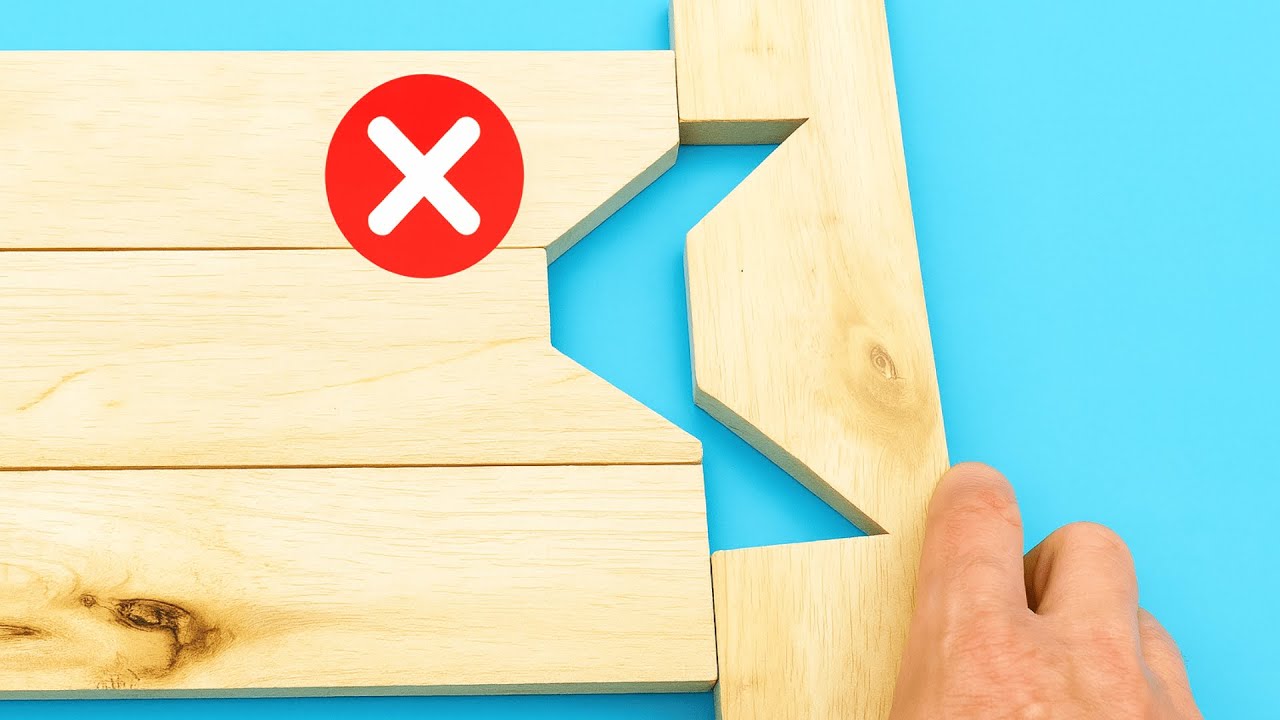
Avoid These 5 Worst Wood Joints: Improve Your Carpentry Skills Today!
Avoid These 5 Worst Wood Joints to Improve Your Carpentry Skills
- Common Mistakes to Avoid
- Types of Wood Joints
- Best Practices for Woodworking
- Expert Tips for Success
- FAQs
Whether you’re assembling a cozy garden bench or crafting decorative shelves, wood joints play a crucial role in the durability and aesthetic appeal of your projects. However, not all wood joints are created equal. Choosing the wrong type can lead to unsightly gaps, weakened structures, or even project failure. You might find yourself frustrated by your efforts if things don’t turn out as expected. Understanding the worst wood joints can set you on a path toward better carpentry. Keep reading to discover how to improve your skills.
Common Mistakes to Avoid
Avoiding pitfalls is essential to successful woodworking. Here are some common mistakes that novice carpenters often make:
- Ignoring joint suitability: Not every joint is suitable for every project. It’s crucial to choose based on application and material.
- Overlooking wood movement: Wood expands and contracts with changes in humidity. Failing to account for this can cause joints to fail.
- Neglecting proper alignment: Mismatched or misaligned joints can compromise structural integrity. Always check your alignment before securing joints.
- Using too much glue: While glue adds strength, excessive application can cause squeeze-out, leading to unsightly messes and weak bonds.
Types of Wood Joints
Understanding the types of joints will help you know which ones to avoid. Here are five of the worst joints to steer clear of:
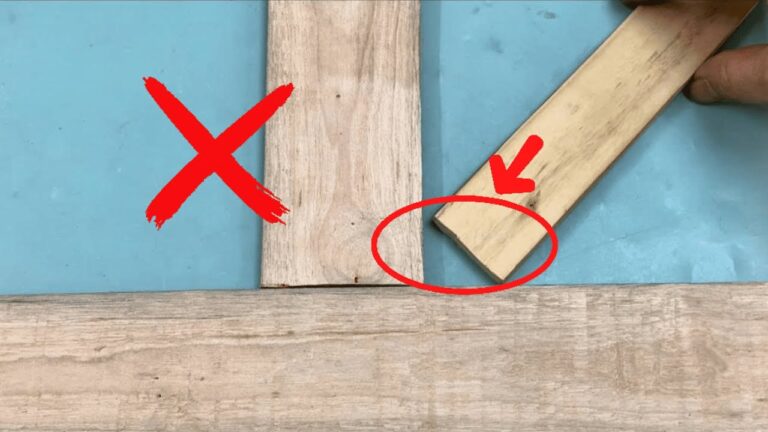
- Butt Joint: This simple joint is often weak as it relies solely on glue. Although it’s easy to create, it lacks mechanical strength.
- Lapped Joint: While this joint offers slight improvement, it still relies heavily on glue and can be prone to failure under stress.
- End Grain to Edge Grain: Joining these two types can lead to issues, as end grain absorbs glue poorly and provides less joint strength.
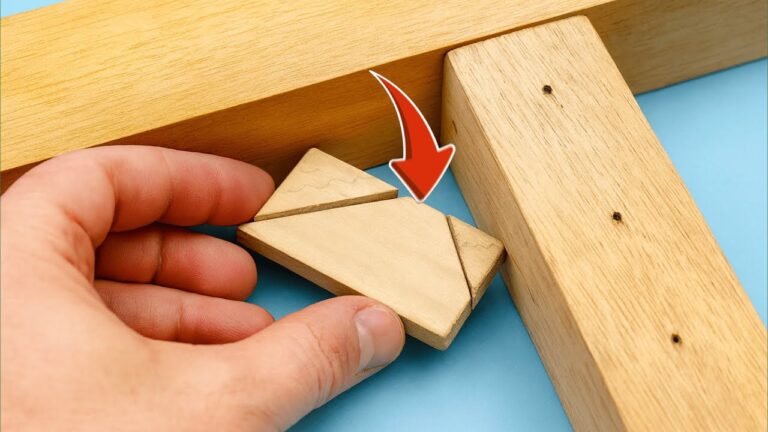
- Miter Joint: Although it looks elegant, the angles can weaken the joint, especially if not reinforced with nails or splines.
- Dowel Joint: This joint can be effective if done correctly, but incorrect alignment can create serious weaknesses.
Best Practices for Woodworking
To enhance your carpentry skills, consider these best practices when working with wood joints:
Choose the Right Joint
Select joints based on the project’s requirements—consider strength, aesthetics, and the type of wood used.
Use Quality Materials
Invest in high-quality wood and bonding agents for stronger and more lasting results.
Precision Measurement
Always double-check your measurements before cutting. Proper cuts lead to better-fitting joints, enhancing overall craftsmanship.
Take Your Time
Woodworking requires patience. Rushing can lead to mistakes, so take your time to perfect each joint.
Expert Tips for Success
Here are some expert tips that can help boost your woodworking projects:
- Practice with mock-ups: Build small projects to practice different joints without wasting high-quality materials.
- Run tests: Test joint strength before committing to a larger piece. This can save time and resources in the long run.
- Seek feedback: Connect with other woodworkers or join forums to share experiences and gain insights from others.
FAQs
What is the strongest wood joint? The mortise and tenon joint is widely considered one of the strongest due to its interlocking design. It provides excellent strength and stability.
Can I fix a poorly aligned joint? Yes, you can often reinforce poorly aligned joints with wood glue, clamps, or dowels. However, prevention is the best approach.
How can I prevent glue squeeze-out? Apply glue more sparingly and use clamps to hold joints together, which minimizes excess glue from seeping out.
Understanding the pitfalls of wood joints can significantly enhance your carpentry abilities. By avoiding the worst joints and implementing best practices, you’ll be on your way to crafting beautiful and durable projects. What joint type do you find most challenging to work with? Share your experiences in the comments!