Planting and Growing a Gooseberry Bush for Endless Summer Yields
Planting and Growing a Gooseberry Bush for Endless Summer Yields
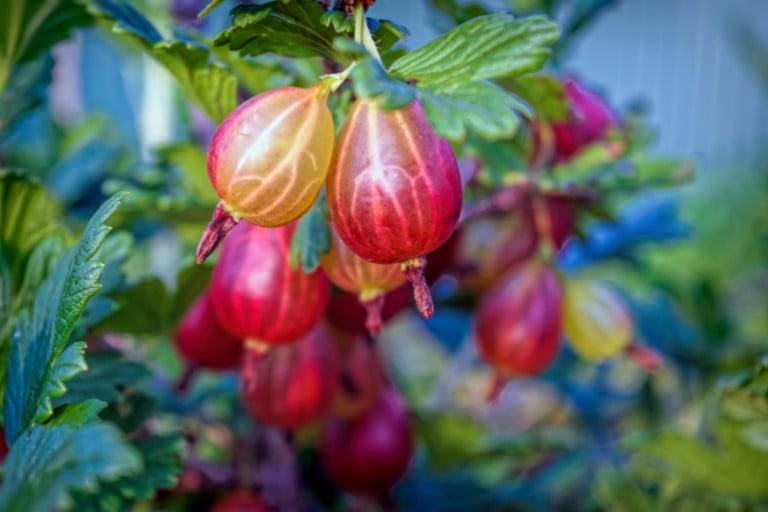
Gooseberries often start off tasting like sour grapes, but when fully ripe, they offer a delightful blend of flavors reminiscent of grapes crossed with plums or a refreshing hint of Muscat wine. These unique fruits are worth reintroducing into your garden, especially as the trend for homegrown produce continues to rise.
What Are Gooseberries?
Gooseberries, commonly found in green, red, and purplish varieties, offer a diverse palate of tartness and sweetness. Unlike grapes, which can be harvested in bunches, gooseberries must be picked one by one. While they may not create the same delicious juice as homemade grape juice, they certainly have their own appeal.
These hardy perennials thrive in northern climates (growing zones 3-8) as they struggle with intense heat and drought. With a sunny spot, you’ll be enjoying fresh gooseberries for years to come.
Benefits of Growing Gooseberries
- Long-lasting Yield: A mature gooseberry bush can yield delicious fruits for 20 to 40 years, making them a worthwhile investment for any garden.
- Self-pollination: You only need to plant one bush to get started, although more will enhance your yields.
- Perennial Advantage: Growing perennials like gooseberries decreases dependence on store-bought produce, helping you build a self-sufficient pantry.
Health Benefits of Gooseberries
Growing your own gooseberries ensures you have a healthy, organic source of this nutrient-rich fruit. One cup of gooseberries provides 46% of your recommended daily intake of vitamin C, along with vitamins B5, B6, copper, manganese, and potassium.
How to Plant Bare-root Gooseberry Bushes
1. Preparation
When selecting bare-root plants, knowing the specifics is essential. European gooseberries (Ribes uva-crispa) are native to the Caucasus Mountains, while American gooseberries (Ribes hirtellum) thrive in Canada and the northern U.S.
2. Soak the Roots
Soaking bare-root plants is crucial to rehydrate them before planting. Ideally, soak the roots in a bucket for 6–24 hours to ensure they are well hydrated.
3. Prune Your Plants
Before planting, prune any broken branches or damaged roots. Trim back any excessive lateral roots but keep the taproot intact.
4. Choose a Location
Select a well-draining, sunny spot for your gooseberries. They can also be grown in containers if space is limited.
5. Dig a Hole
Dig a hole a few inches deeper than needed, ensuring the bush’s crown sits level with the soil surface—neither too deep nor too high.
6. Plant and Fill
Loosen the soil beneath the roots, add compost if necessary, and space your bushes appropriately—3-4 feet apart is ideal. After planting, fill the hole and tamp down the soil to anchor the roots.
7. Mulch (Optional)
Consider mulching if your garden is fenced, to retain moisture and suppress weeds. However, if wildlife is a concern, wait until the bushes are established.
Caring for Gooseberries
Once established, give your gooseberries room to grow. Prune during dormancy in winter, removing dead wood and thinning crowded branches to promote airflow and reduce disease risk.
Harvesting Gooseberries
After 2 to 5 years, expect your first full harvest. Mid-summer is peak season, and as the birds start feasting on them, it’s a sign they’re ripe! Gooseberries don’t ripen simultaneously; check for color changes and taste them to determine readiness.
Utilizing Homegrown Gooseberries
Consider how you’ll use your gooseberries ahead of harvest. They may be frozen for later or transformed into delectable dishes like gooseberry jam, pickles, pies, or compote. Raw consumption provides the highest nutritional benefit, so enjoy them fresh when possible!
Conclusion
With their unique flavor and many health benefits, growing gooseberries can enrich your garden and your diet. As you immerse yourself in growing this once-forgotten fruit, you’ll not only enjoy the fruits of your labor but also contribute to a sustainable lifestyle.