Why You Shouldn’t Save Dandelions for the Bees
“`html
Why You Shouldn’t Save Dandelions for the Bees
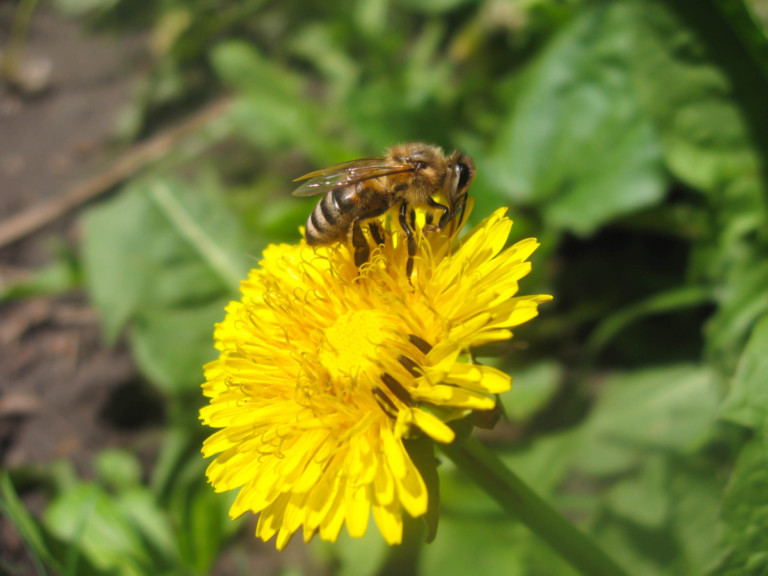
As spring arrives, the snow melts, grass turns green, and vibrant yellow dandelions bloom across fields and yards. Amidst this spectacle, many advocate for saving dandelions as food for honey bees. However, this common belief might not be entirely accurate. Let’s explore why dandelions may not be the best option for our buzzing friends.
Dispelling the Bees and Dandelions Myth
Are you puzzled about the role of dandelions for bees? You’re not alone. Let’s break down this myth and understand the facts.
Understanding Honey Bees
When discussing the need to ‘save the bees,’ it’s crucial to recognize the type of bees we’re referring to. Honey bees, specifically Apis mellifera, are not native to the United States; they were imported from Europe. These industrious bees are vital for our agricultural system, pollinating many of the fruits and vegetables we enjoy.
- Almonds – Honey bees pollinate almond trees, ensuring a steady supply of almond milk.
- Fresh Produce – Without honey bees, many grocery staples, such as avocados and cucumbers, would be scarce.
While honey bees are essential, they typically remain close to their hives, particularly those on farms. Therefore, you don’t need to worry about saving dandelions for these tireless workers.
The Role of Wild Pollinators
What about wild pollinators? These include various species of native bees—important players in our ecosystems. In North America alone, around 5,000 types of bees exist, and they are crucial for pollinating gardens and preserving wildflower species.
Sadly, wild pollinators face threats from diseases spread by honey bees and harmful pesticides. However, even these native champions often overlook dandelions as their primary source of food.
Dandelions: Junk Food for Bees
During my time at Penn State University, I learned about the nutritional needs of bees. Amino acids are vital for their health and reproduction, yet dandelion pollen lacks four essential amino acids: arginine, isoleucine, leucine, and valine. Thus, dandelions should be seen as a snack rather than a staple in a bee’s diet.
Imagine if you could only eat one type of food—it wouldn’t be good for your health, right? Similarly, while bees will forage on dandelions, they thrive on a diverse diet.
What Do Bees Need in Early Spring?
It’s a common belief that dandelions are the first flowers available for bees in spring. However, numerous plants bloom before dandelions, offering much-needed pollen.
Flowers You Should Look Out For
- Fruit Trees – Trees like apple and cherry provide abundant pollen and attract various bee species.
- Maples and Redbuds – These trees are among the first to blossom, delivering essential nutrition for early pollinators.
Other Beneficial Plants
Ground-level plants such as purple dead nettle also offer crucial early sustenance, yet often go unnoticed. By focusing on cultivating diverse flowering plants, we can better support our pollinators.
How to Truly Help Pollinators
While saving dandelions can be beneficial in some situations, we must ensure that our efforts target the right areas. Monitor your environment in spring. If dandelions are your only option, then by all means, let them grow. Otherwise, consider rewilding parts of your lawn or planting flowering trees that provide broader support for wildlife.
Rewilding for Pollinators
Transforming portions of your yard into wildflower meadows can create an all-you-can-eat buffet for bees while reducing mowing efforts. Additionally, reducing pesticide use and becoming aware of climate impacts can significantly contribute to the well-being of both wild and honey bees.
Conclusion
Feel free to forage dandelions for delicious recipes like mead or jelly, but remember to leave plenty for future generations. Consider planting wildflowers, building bug hotels, or scattering seed bombs as more effective ways to support our pollinators. Let’s spread awareness and focus on sustainable practices to genuinely help bees thrive in our environments.
“`