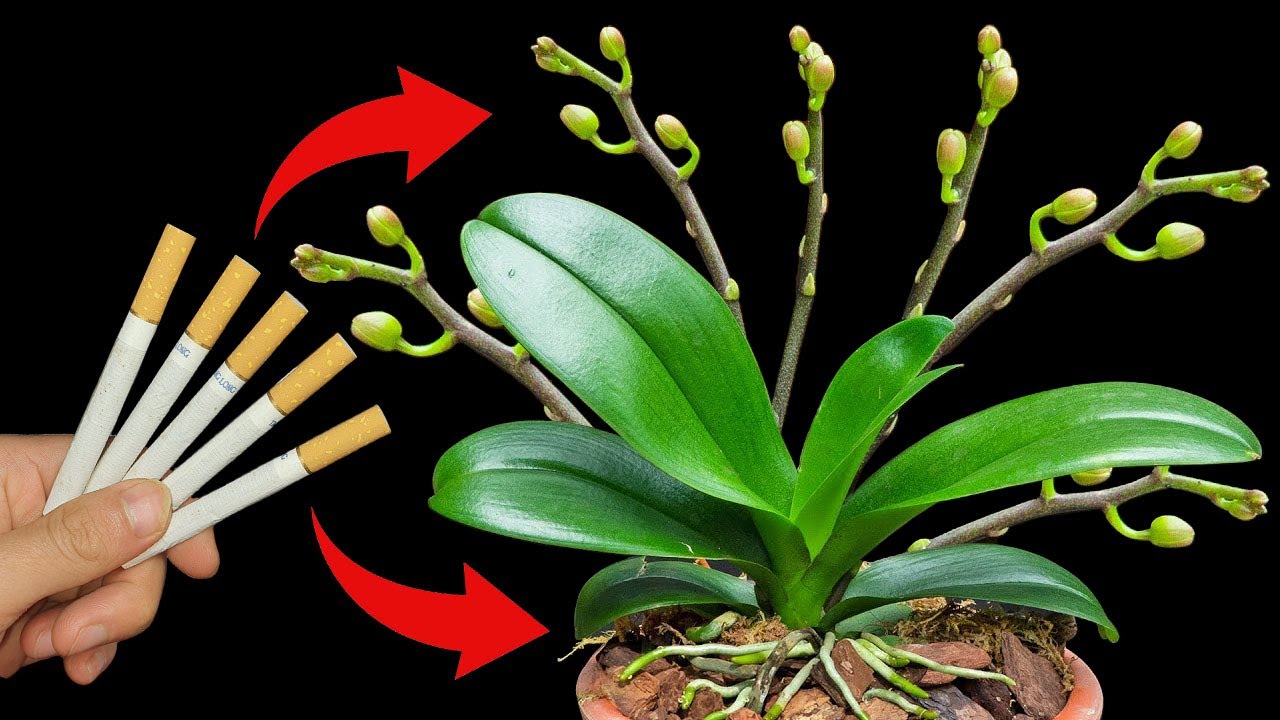
Boost Orchid Growth: 5 Secrets to Achieving Abundant Spikes Fast!
Boost Orchid Growth: 5 Secrets to Achieving Abundant Spikes Fast
- Understanding Orchid Needs
- Optimal Lighting Conditions
- Effective Watering Techniques
- Fertilization Secrets for Orchids
- Common Mistakes to Avoid
- FAQ
Picture this: your beloved orchids, once vibrant and full of promise, are looking a bit lackluster. The beautiful blooms you anticipated seem to be taking their time, and you’re left wondering how to encourage them to thrive. As an orchid enthusiast, you know that these delicate plants have specific needs, yet unlocking their full potential can sometimes feel like a challenge. Let’s explore some effective strategies to boost orchid growth and promote abundant spikes, so you can return to enjoying their beauty once more.
Understanding Orchid Needs
Before diving into care techniques, it’s essential to understand the specific requirements of orchids for optimal growth.
Climate and Environment
Most orchids thrive in warm and humid environments. They prefer temperatures between 65°F to 75°F during the day and slightly cooler at night. To simulate these conditions:
- Maintain humidity: Use a humidity tray or a misting system to keep the air around your orchids moist.
- Control temperature: Avoid placing orchids near drafts or heating vents that can disrupt their environment.
Types of Orchids
Knowing which type of orchid you have can help tailor your care. Common varieties include Phalaenopsis, Dendrobium, and Cattleya. Each has unique requirements, but they all thrive with proper attention.
Optimal Lighting Conditions
Light is crucial for promoting orchid growth. Different orchids have varied light preferences, but most enjoy bright, indirect light.
Finding the Right Spot
Observe your orchids to ensure they’re getting the right amount of light:
- If they have dark green leaves, they may need more light.
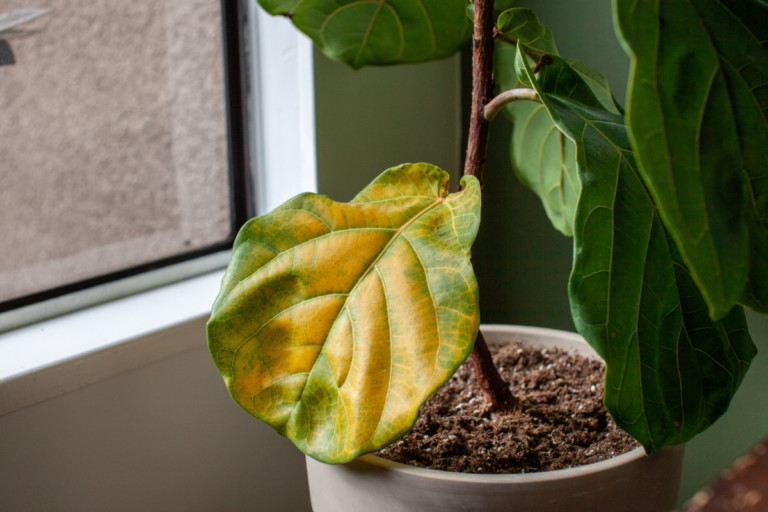
- Yellow or burned leaves indicate too much direct sunlight.
Using Grow Lights
If natural light is insufficient, consider using grow lights:
- Choose LED or fluorescent lights that mimic natural sunlight.
- Position the lights about 12 to 18 inches above the plants, adjusting as necessary.
Effective Watering Techniques
Overwatering and underwatering are common challenges that can affect orchid growth. A careful approach to watering is essential.
Watering Frequency
Generally, watering once a week is sufficient, but this can vary based on your environment:
- In high humidity and heat, you might need to water more frequently.
- In cooler months, your orchids may require less water.
Watering Method
Use the soak method for effective watering:
- Submerge the pot in water for about 15 minutes to allow the roots to absorb moisture.
- Allow excess water to drain completely before placing the orchid back in its spot.
Fertilization Secrets for Orchids
Feeding your orchids with the right nutrients will greatly enhance orchid growth and flowering. Knowing how and when to fertilize is key.
Choosing the Right Fertilizer
Use a balanced orchid fertilizer that includes nitrogen, phosphorus, and potassium.
Fertilizing Schedule
During the growing season (spring and summer), fertilize every 2 weeks, and reduce to once a month in the winter:
- Dilute the fertilizer to half-strength to prevent root burn.
- Water before fertilizing to help the plant absorb nutrients effectively.
Common Mistakes to Avoid
Ensuring your orchids flourish can be daunting, but avoiding common pitfalls will help your plants thrive.
Overwatering
One of the most frequent issues is overwatering, which can lead to root rot. Always check the moisture level before watering.
Ignoring Airflow
Orchids need good air circulation. Avoid overcrowding your plants to ensure they receive adequate airflow.
Neglecting to Repot
Repotting every 1-2 years is essential for healthy growth. Use fresh orchid medium to promote better drainage and root health.
FAQ
How often should I water my orchids?
Water orchids approximately once a week, adjusting based on humidity and temperature in your home.
What type of fertilizer is best for orchids?
A balanced fertilizer with an N-P-K ratio, designed specifically for orchids, is ideal for proper nutrition.
Why are my orchid leaves turning yellow?
Yellow leaves may indicate overwatering, insufficient light, or nutrient deficiencies. Assess your care routine to identify the cause.
In summary, enhancing orchid growth comes down to understanding their needs and providing the right care. By focusing on optimal light, effective watering techniques, and a solid fertilization regime, you can encourage your orchids to produce beautiful spikes. What tips have you found useful in growing your orchids? Share your experiences in the comments!