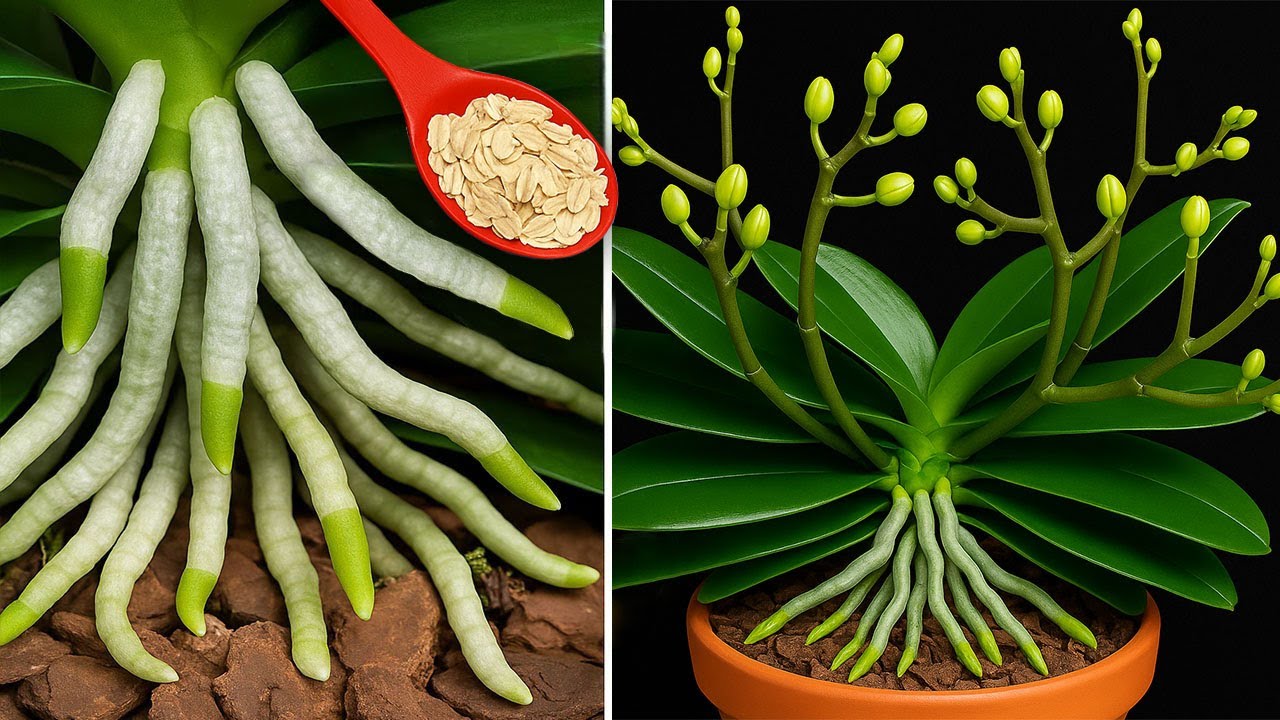
Transform Your Weakest Orchid: 5 Steps to Abundant Blooms!
Transform Your Weakest Orchid: 5 Steps to Abundant Blooms
Introduction
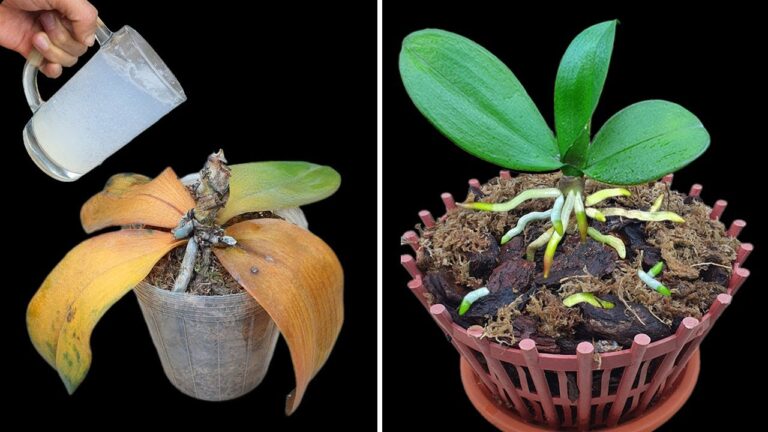
Many orchid enthusiasts face a similar frustration: your once-vibrant orchid seems to have lost its luster. The leaves may be drooping, and blooms are nowhere to be seen. Despite your careful care, the plant appears to be struggling. You’re left wondering if it’s time to give up or if there’s still hope for its revival. The good news is that with the right approach, you can breathe life back into your orchid and encourage beautiful blooms. Read on to discover practical steps to transform your weakest orchid.
Understanding Orchid Needs
Orchids have unique requirements that must be met for them to thrive. Knowing these needs helps you create an environment conducive to blooming.
1. Light Requirements
Orchids typically prefer indirect sunlight. A bright spot near a window is ideal, but avoid harsh direct sun, which can scorch the leaves. If your orchid isn’t receiving enough light, it may not bloom effectively.
2. Watering Techniques
Watering is crucial, but equally important is how you do it. Orchids prefer their roots to dry out slightly between waterings. Check the potting medium; if it feels dry a couple of inches down, it’s time to water. Always allow excess water to drain away.
3. Humidity and Temperature
Orchids thrive in humid environments. Aim for a humidity level of 40-70%. You can increase humidity by placing your orchid on a tray filled with water and pebbles, ensuring the pot base doesn’t sit in water. Temperature also plays a significant role; most orchids prefer daytime temperatures between 70°F and 80°F.
Best Care Practices
After understanding your orchid’s needs, implementing the best care practices can turn your plant’s fortunes around.
1. Fertilization
Orchids benefit from regular feeding, especially during the growing season (spring and summer). Use a balanced orchid fertilizer diluted to half strength every couple of weeks.
2. Repotting
Repotting is essential every couple of years or when the medium becomes compacted. Choose a well-draining orchid mix, and select a pot that allows for good air circulation around the roots.
3. Pests and Diseases
Keep an eye out for pests such as aphids, mealybugs, or spider mites. If you notice these, treat your orchid promptly with insecticidal soap. Regularly inspect your plant for signs of disease, like leaf spots or mold, to keep it healthy.
Common Mistakes
Even with good intentions, common missteps can hinder your orchid’s growth and flowering potential. Here are some mistakes to avoid.
1. Overwatering
One of the most common mistakes is overwatering, leading to root rot. Always ensure your orchid’s pot has drainage holes and empty any excess water from the saucer.
2. Ignoring Seasonal Changes
Orchids may have different needs depending on the season. In winter, they require less water and fertilizer. Pay attention to your plant’s needs as the seasons change.
3. Not Providing Enough Airflow
Stale air can inhibit growth. Ensure your orchids are not crowded and that there’s adequate airflow around each plant to prevent fungal diseases.
FAQ
What is the best light for orchids? Orchids prefer bright, indirect light. A north or east-facing window is usually ideal, but be cautious of direct sunlight which can cause leaf burn.
How often should I water my orchid? Water your orchid when the top few inches of the potting medium feel dry. Typically, this can be once a week, but it may vary depending on humidity and temperature.
Why isn’t my orchid blooming? Lack of blooms can be due to insufficient light, overwatering, or improper temperature. Adjusting care practices can help encourage flowering.
Conclusion
Reviving your weakest orchid is entirely achievable with the right care and attention. By understanding its needs and avoiding common pitfalls, you can enjoy vibrant blooms once again. What challenges have you faced with your orchids, and how have you overcome them?