10 Creative Plastic Bottle Flower Pot Ideas You Can Easily Make at Home
10 Creative Plastic Bottle Flower Pot Ideas You Can Easily Make at Home
- Introduction
- Inspiration for Plastic Bottle Flower Pots
- Required Materials
- Simple Steps to Create Your Planters
- Common Mistakes to Avoid
- FAQ
- Conclusion
Introduction
When you think about gardening, the last thing that might come to mind is using old plastic bottles as planters. Yet, if you’re looking for an eco-friendly and budget-friendly way to brighten up your space, recycled plastic bottles can be the perfect material. These versatile containers can be transformed into charming flower pots that make a statement in your garden or home. Let’s explore some creative ideas that can help you repurpose those bottles and bring some greenery into your life.
Inspiration for Plastic Bottle Flower Pots
Recycling plastic bottles opens up a world of creative possibilities. Here are some inspiring ways to turn them into beautiful planters:
- Hanging Planters: Cut the bottles in half and attach them to a wall or a tree. You can paint them in vibrant colors for added flair.
- Vertical Garden: Stack several bottles vertically on a sturdy frame to create a small herb garden, saving space and adding height to your garden.
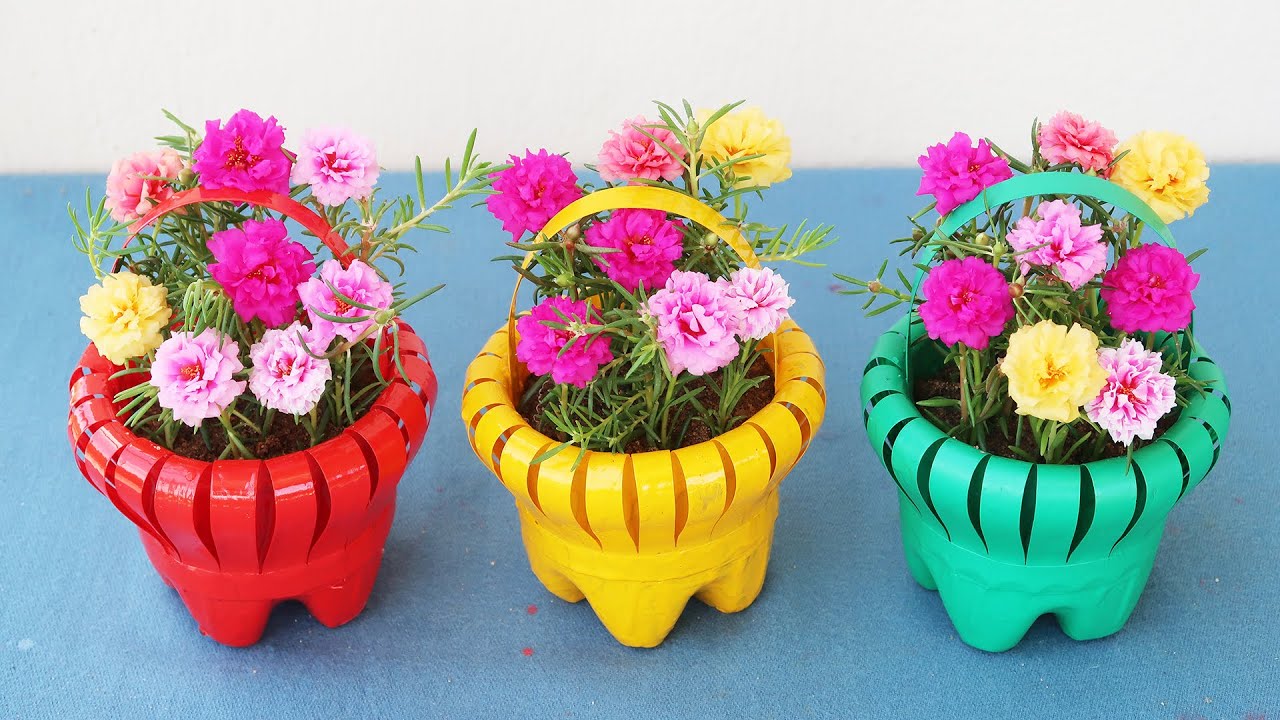
- Decorative Bottle Pots: Use paint, fabric, or rope to adorn the outside of the pots, transforming them into unique decorative pieces that suit your style.
- Self-Watering Planters: Modify bottles to include a central reservoir of water that keeps your plants hydrated, while also reducing the frequency of watering.
Required Materials
Before you dive into your DIY project, gather the essential materials needed:
- Plastic bottles (1-2 liters, depending on your project)
- Scissors or a craft knife
- Paint or decorative supplies (optional)
- Soil and plants or seeds
- Drill or a sharp object for drainage holes
Simple Steps to Create Your Planters
Transforming your plastic bottles into flower pots is easier than you might think. Here’s how:
Step 1: Prepare the Bottles
Start by cleaning the bottles thoroughly and removing any labels. This ensures that your plants thrive without any hindrance.
Step 2: Create Drainage
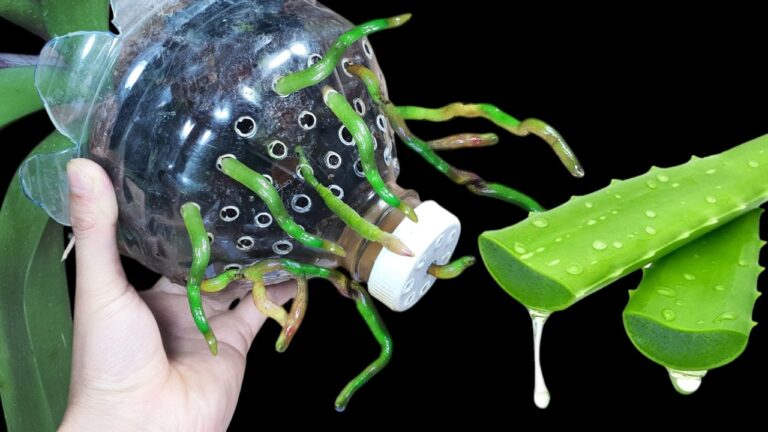
Use a drill or a sharp object to carefully puncture holes in the bottom of the bottles. This step is crucial to prevent water from pooling and damaging the roots of your plants.
Step 3: Customize Your Design
If you wish to personalize your pots, this is the time. Use paint or wrap the bottles in twine or fabric to match your style. Get creative!
Step 4: Fill with Soil and Plant
Once your bottles are prepared, fill them with soil up to about two-thirds full. Then, plant your flowers or herbs and water gently.
Step 5: Position Your Planters
Choose a sunny spot for your new flower pots. If you’ve created hanging or vertical planters, ensure they are secure and aesthetically pleasing.
Common Mistakes to Avoid
While crafting your plastic bottle flower pots, here are some common pitfalls to steer clear of:
- Neglecting Drainage: Not adding drainage holes can lead to root rot, so always include them.
- Overcrowding Plants: Placing too many plants in one bottle can stunt growth. Ensure adequate space for each plant.
- Using Non-toxic Materials: Avoid paints and materials that may be harmful to your plants.
- Inconsistent Watering: Self-watering designs need regular checks to ensure they function correctly and provide hydration when needed.
FAQ
Can I decorate my plastic bottle planters? Yes, decorating is encouraged! Use paint, fabric, or other materials to personalize your designs.
What types of plants are best for plastic bottle pots? Herbs, small flowers, and succulents work well in smaller containers like plastic pots.
How long will my plastic bottle planters last? With proper care, your planters can last a few seasons; however, keep an eye on wear and tear from sunlight and weather exposure.
Conclusion
Repurposing plastic bottles into flower pots not only helps reduce waste but also allows you to express your creativity. By following these simple steps and avoiding common mistakes, you can enjoy beautiful plants right at home. What kind of plants would you love to grow in your DIY planters?