10 Spicy Peppers Every Chef Should Grow for Flavorful Dishes
10 Spicy Peppers Every Chef Should Grow for Flavorful Dishes
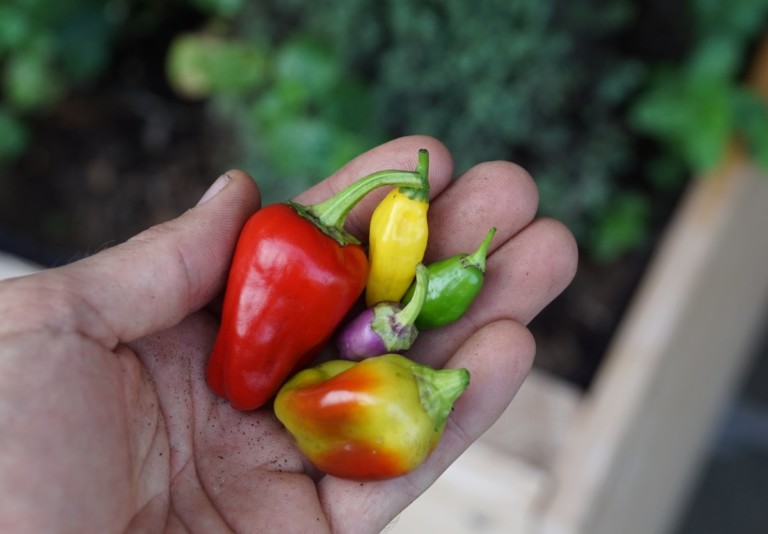
If you love cooking with spicy ingredients and enjoy gardening, why not try your hand at growing hot peppers? Their vibrant colors can brighten up any garden, and they’re perfect for adding a kick to your favorite dishes. From homemade chili to blistered shishitos and fiery hot sauces, these peppers can elevate your culinary creations.
Why Are Hot Peppers Hot?
Hot peppers derive their heat from a compound known as capsaicin. Interestingly, this “heat” is actually our body’s response to pain rather than a taste. When you bite into a spicy pepper, capsaicin activates a protein in our cells that signals the brain, making us feel the sensation of heat. This reaction can be intense for some, evoking a mix of pleasure and discomfort.
To learn more about capsaicin, check out this informative article that explains the science behind it.
The Scoville Heat Scale
The Scoville Heat Scale, named after its creator Wilbur Scoville, measures the heat of peppers in relation to their capsaicin content. It is useful for anyone interested in growing spicy peppers, providing a guideline to understand their heat levels. Wilbur’s method involved taste-testing pepper solutions and diluting them until the heat was no longer detected.
The range of heat varies significantly, with green peppers sitting at a Scoville Heat Unit (SHU) of 0, while the spiciest varieties soar into the millions. Knowing the SHU of different peppers can help you choose which ones to grow based on your heat tolerance.
Precautions When Handling Hot Peppers
If you’re a fan of heat and plan to work with fiery peppers, it’s wise to wear gloves while handling them in the kitchen. A quick misstep, like rubbing your eyes after slicing, can lead to discomfort. For tasks involving blending or splash-prone activities, consider wearing safety goggles to protect your eyes.
10 Excellent Hot Peppers to Grow for Cooking
-
1. Jalapeño
SHU – 2,500–8,000
A classic hot pepper, jalapeños are excellent for canning homemade salsa. Typically 3-4 inches long, these compact bushes yield green peppers that turn red as they ripen. Red jalapeños can pack more heat. With their widespread availability, growing jalapeños is a great choice for any gardener.
-
2. Poblano
SHU – 1,000 – 2,000
Poblanos offer a mild heat with a smokey flavor, making them perfect in a variety of dishes. Usually roasted, these 4-6 inch long peppers enhance chili and can elevate humble grits when added with cheese. They’re easy to find at nurseries.
-
3. Shishito
SHU – 100 – 1,000
Shishitos are delightful for snacking, with a fun mix of mild and occasionally fiery peppers. These 3-4 inch long beauties are best served blistered in a skillet. Their unique flavor shines with a sprinkle of sea salt or garlic powder.
-
4. Thai Chilis (Bird’s Eye Chilis)
SHU – 50,000 – 100,000
Perfect for Asian cuisine, Thai chilis are small but mighty. Typically used in curries or spicy ramen, just one pepper can add significant heat to a dish. Look for seeds to grow your own, as they’re not always available as young plants.
-
5. Anaheim
SHU – 500 – 2,500
A mild alternative to bell peppers, Anaheims can be enjoyed raw in salads or stuffed for variation. These versatile 5-inch long peppers can be found easily and are great for canning or freezing.
-
6. Piquillo
SHU – 500 – 1,000
Piquillos are known for their rich flavor without much heat. These 5-7 inch long peppers are fabulous when roasted, perfect for pasta or hummus. Don’t forget to try pickling them for added flavor.
-
7. Hungarian Wax Pepper
SHU – 1,000 – 15,000
This visually stunning pepper is ideal for stuffing and pickling. Ranging from yellow-green to red, Hungarian wax peppers are versatile for grilling and can add excitement to sandwiches and burgers.
-
8. Piri Piri (African Bird’s Eye)
SHU – 50,000 – 175,000
Small yet formidable, piri piri peppers are perfect for container gardening. Native to Africa, they add zest to dishes like piri piri chicken, ensuring a flavorful culinary experience.
-
9. Serrano
SHU – 5,000 – 15,000
Serranos mature quickly and are larger than jalapeños, making them great for a variety of recipes. Use them in salsa, relish, or stuff them for a spicy treat.
-
10. Carolina Reaper
SHU – 1,641,000 – 2,200,000
The reigning champion of heat, the Carolina Reaper is not for the faint of heart. With SHU levels in the millions, this pepper requires careful handling. It matures slowly but is sure to become a conversation starter in any garden.
Conclusion
With these ten spicy pepper varieties, your garden can become a vibrant source of culinary inspiration. Each pepper offers unique flavors and heat levels, ensuring you can create delightful dishes year-round. Don’t forget to explore ways to dry and store hot peppers for added flavor and warmth in your winter meals. Who knows, you might even find yourself crafting your own hot sauce line!