5 Secrets to Grow Lush Vegetables with Less Pests Using This Soil Mix
5 Secrets to Grow Lush Vegetables with Less Pests Using This Soil Mix
- Introduction
- Understanding Soil Quality
- Natural Pest Repellents
- The Best Soil Mix
- Mistakes to Avoid
- FAQ
- Conclusion
Introduction
Have you ever poured your heart into growing vegetables only to see them nibbled away by pests? This frustrating scenario can make gardening feel like an uphill battle. The good news is that the solution might lie right beneath your feet—your soil. Understanding how to optimize your soil can significantly reduce pest problems and lead to more vibrant, healthy plants. Keep reading to discover the essential secrets that can transform your gardening experience.
Understanding Soil Quality
The foundation of a successful vegetable garden is quality soil. It not only supports plant life but also plays a crucial role in pest management. Here’s how you can enhance your soil quality:
1. Assess Your Soil
- Test your soil’s pH levels using a simple home kit.
- Evaluate its texture by feeling if it’s sandy, clayey, or loamy.
- Check for organic matter by examining its color; darker soils often have more nutrients.
2. Improve Nutrient Content
Adding organic matter to your soil can enhance its nutrient content:
- Compost—rich in nutrients and helps retain moisture.
- Worm castings—provides beneficial microbes.
- Green manures—planted cover crops can enrich your soil.
3. Maintain Soil Structure
Avoid compacting your soil. Use stepping stones or pathways in your garden to preserve its structure. Healthy soil promotes good air circulation and drainage, deterring pests from invading your plants.
Natural Pest Repellents
Incorporating natural methods to combat pests can be effective and environmentally friendly. Here are some natural pest repellents you can use in your garden:
1. Herb Companion Planting
Planting certain herbs alongside your vegetables can confuse or repel pests:
- Marigolds help deter nematodes.
- Basil wards off flies and mosquitoes.
- Mint can repel cockroaches, spiders, and ants.
2. Homemade Sprays
Create your own pest-repelling sprays at home:
- Mix one tablespoon of dish soap with water in a spray bottle.
- Add a few drops of peppermint oil for an extra punch.
- Spray directly onto affected plants.
3. Use Diatomaceous Earth
This natural powder can deter soft-bodied insects. Simply sprinkle it around your garden beds, ensuring it stays dry, as moisture renders it ineffective.
The Best Soil Mix
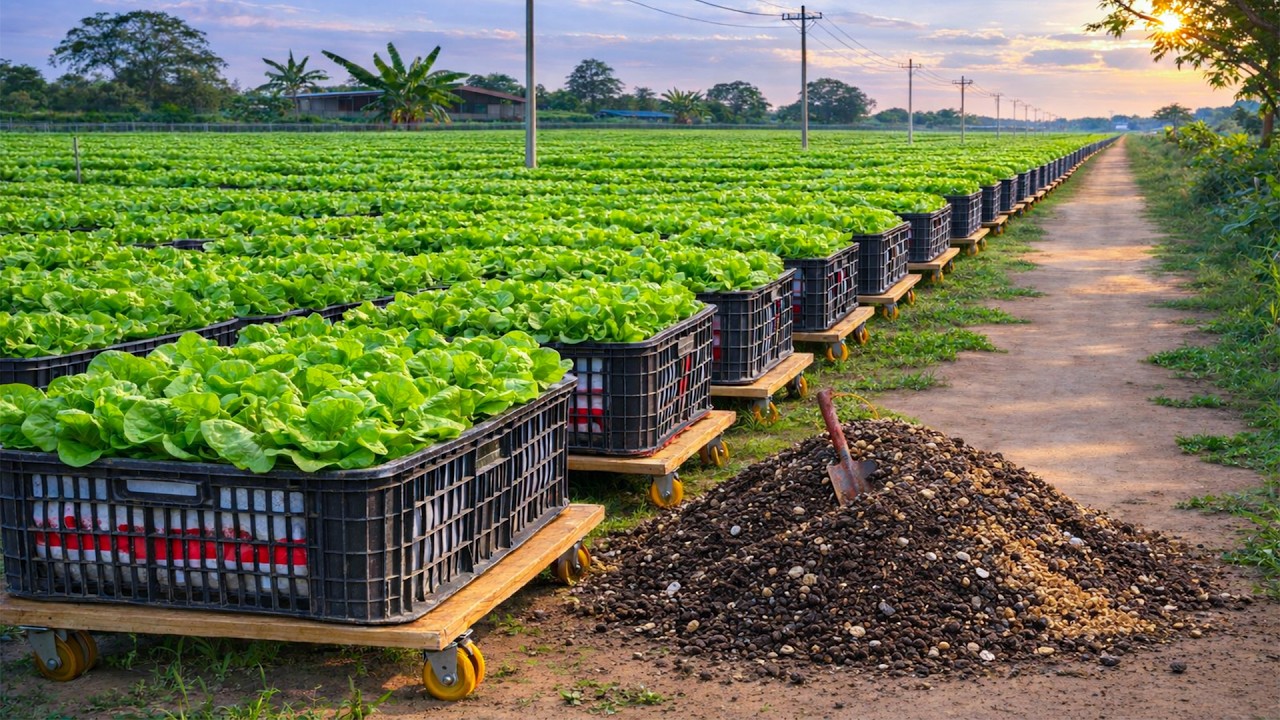
Using the right soil mix is pivotal to growing lush vegetables while minimizing pest issues. Here’s an effective mixture:
1. Ingredients
- 50% garden soil
- 20% compost
- 30% coconut coir for moisture retention
2. Preparation
- Combine the ingredients in a large container or wheelbarrow.
- Mix thoroughly to ensure even distribution.
- Test your mix by planting a few seeds.
3. Application
When planting, use this mix in your garden beds for the best effect. It provides nutrients while balancing moisture levels, creating a less hospitable environment for pests.
Mistakes to Avoid
Even seasoned gardeners can make mistakes that attract pests. Here are some common pitfalls to be aware of:
- Overwatering can create a damp environment that attracts pests like slugs.
- Allowing weeds to thrive can offer shelter for garden pests.
- Neglecting soil tests may lead to nutrient imbalances that weaken plants.
FAQ
What can I do to keep pests away from my vegetable garden?
Utilize companion planting, natural sprays, and ensure your soil is healthy to create an unwelcoming environment for pests.
How often should I amend my soil?
It’s ideal to amend your soil at least once a year, preferably before the planting season, to ensure nutrients are replenished.
Can I grow vegetables without using pesticides?
Yes! Focus on natural pest repellents, healthy soil, and maintaining plant health to minimize pest issues effectively.
Conclusion
With the right soil mix and natural strategies, you can significantly reduce pest problems in your vegetable garden. By nurturing your soil and utilizing natural remedies, you ensure a thriving garden full of fresh produce. What pest control methods have you found effective in your own garden?