5 Expert Tips to Keep Your Knives Razor Sharp for a Lifetime
5 Essential Tips to Keep Your Knives Razor Sharp for a Lifetime
- Introduction
- Understanding Knife Care
- Sharpening Techniques for Longevity
- Common Mistakes to Avoid
- FAQ
- Conclusion
Introduction
Have you ever reached for a knife only to find it dull and ineffective? The struggle to slice through vegetables or meat can be a frustrating experience, especially when you’re trying to prepare a meal efficiently. A sharp knife not only enhances your cooking experience but also ensures safety in the kitchen. Learning how to maintain your knives is essential for any cooking enthusiast. Let’s explore some expert tips that will help you keep your knives razor sharp for a lifetime.
Understanding Knife Care
To maintain your knives effectively, it’s vital to understand what contributes to their longevity. Here are key components of knife care:
1. Proper Cleaning and Storage
Keeping your knives clean is crucial. After each use, make sure to:
- Wash your knives with warm, soapy water.
- Dry them immediately to prevent rust.
- Store them in a block, sheaths, or magnetic strips for safety.
2. Choosing the Right Cutting Surface
Your cutting surface plays a significant role in the condition of your knives. Here’s what to consider:
- Avoid cutting on glass or stone surfaces, as they can dull the blade.
- Opt for wood or plastic cutting boards that are gentle on the blade.
- Regularly replace worn-out boards to maintain knife sharpness.
Sharpening Techniques for Longevity
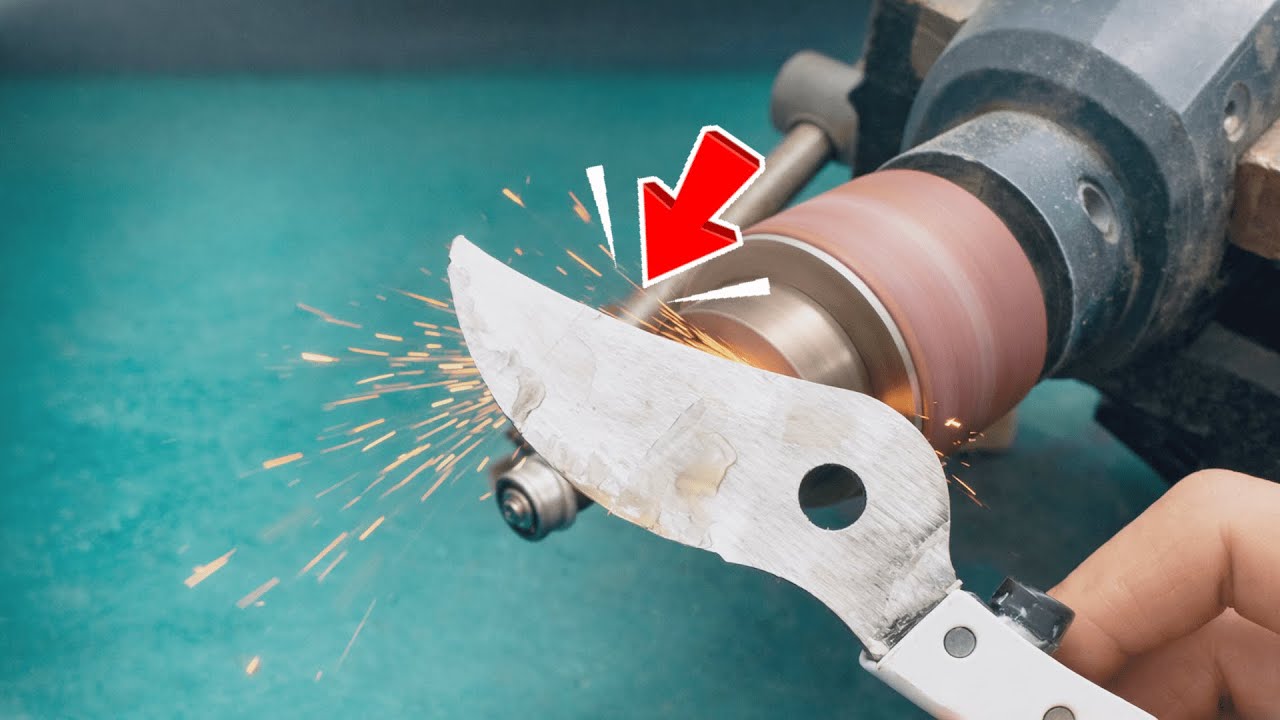
Regular sharpening is necessary to keep your knives effective. Here are some essential techniques:
1. Using a Whetstone
A whetstone is a favorite tool among professional chefs. To use it efficiently, follow these steps:
- Soak the whetstone in water for about 10-15 minutes before use.
- Angle the knife at a 20-degree angle against the stone.
- Stroke the blade gently across the stone, alternating sides.
2. Employing a Honing Steel
A honing steel is best for maintaining an edge. Here’s how to use it:
- Grip the steel vertically and the knife horizontally at a 20-degree angle.
- Draw the blade down the steel, maintaining the angle.
- Repeat the process on the other side of the blade.
Common Mistakes to Avoid
Even seasoned cooks can make mistakes in knife care. Here are some to watch out for:
1. Incorrect Cleaning Methods
Using abrasive cleaners or putting knives in the dishwasher can damage the blade and handle. Always opt for hand washing.
2. Neglecting Routine Maintenance
Forgetting to hone or sharpen your knives regularly will lead to accumulated dullness. Make it a habit to check your knives regularly.
3. Using Knives for Incorrect Tasks
Using a chef’s knife for tasks like prying open containers can cause damage to both the blade and the tip. Always use the right knife for the right job.
FAQ
How often should I sharpen my knives?
It depends on usage, but generally, it’s good to sharpen them every few months. If you’re cooking daily, consider honing them every week.
Can I use regular household items to sharpen my knives?
While some methods like using a ceramic mug are popular, they may not provide the best results. It’s recommended to use dedicated sharpening tools for effective results.
Is a dull knife more dangerous than a sharp one?
Yes, a dull knife can be more dangerous because it requires more force, increasing the risk of slips and accidents.
Conclusion
By following these essential tips, you can ensure your knives remain sharp and effective throughout their lifespan. Regular maintenance and proper techniques will transform your cooking experience. What are your go-to practices for maintaining your kitchen tools? Share your thoughts in the comments!