Revive 5 Plastic Items with This Secret Soldering Method!
Revive Plastic Items with a Simple Soldering Method
- Introduction
- What is Soldering?
- Materials Needed
- Step-by-Step Guide
- Common Mistakes to Avoid
- FAQ
- Conclusion
Introduction
Have you ever found a cherished plastic item that has seen better days, only to think it’s beyond repair? Whether it’s a favorite toy, a useful kitchen gadget, or even decorative home accents, damaged plastic can feel like a lost cause. But there’s hope! In this guide, you’ll learn how to breathe new life into your plastic items using a simple soldering method. Continue reading to discover the transformative process that can restore your beloved belongings.
What is Soldering?
Soldering is a process that joins two or more items together by melting a filler metal, known as solder. This technique is often used in electrical work but can be surprisingly effective for repairing plastic items, too. Understanding the basics will enable you to utilize this skill effectively and safely.
History of Soldering
Soldering has been used for centuries, predominantly in metalworking. Over time, it has evolved to cater to various materials, including plastics. In modern crafting and repair tasks, it’s particularly beneficial for those who want to reduce waste and extend the life of items they love.
Why Use Soldering for Plastic Repair?
Using soldering to repair plastic not only helps salvage items but also promotes sustainability. Instead of discarding broken plastic, this method allows you to creatively recycle what you already have and reduce your environmental footprint.
Materials Needed
Before diving into the repair process, gather the following supplies:
- Soldering iron: A basic soldering iron works well for most plastic repairs.
- Solder: Use lead-free solder for a safer option.
- Plastic pieces: Ensure you’re working with items that can be soldered.
- Safety gear: Wear protective eyewear and consider a mask to prevent inhalation of fumes.
- Wire brush or sandpaper: To prepare the surfaces for soldering.
Step-by-Step Guide
Now that you have your materials ready, follow these steps to effectively repair your plastic items.
1. Prepare the Surfaces
- Use a wire brush or sandpaper to clean both surfaces of the plastic item until they are free from dirt and debris.
- Ensure that the areas you are about to solder fit together snugly. If necessary, trim the edges for better alignment.
2. Heat the Soldering Iron
Plug in your soldering iron and let it heat up to the appropriate temperature. It’s essential to wait for it to reach the right heat level to ensure effective solder flow.
3. Apply the Solder
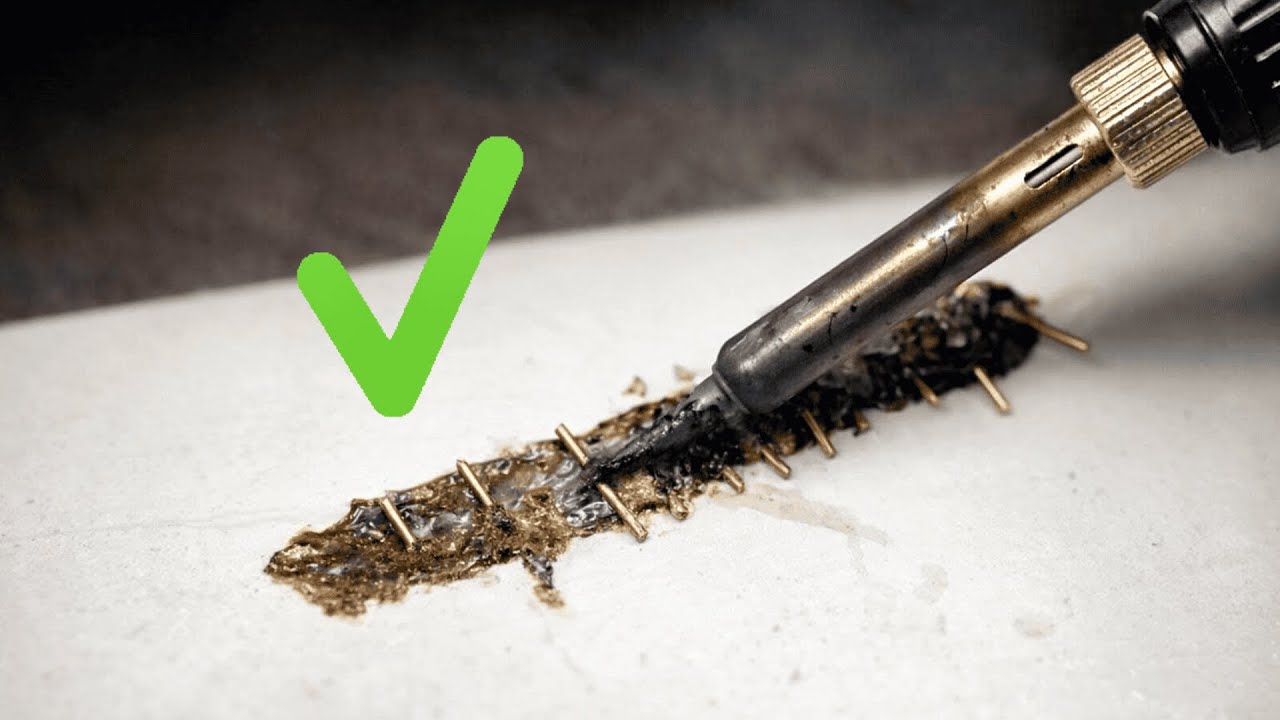
- Once your soldering iron is hot, touch the tip to the plastic edge where you intend to make the repair.
- Then, gently feed the solder into the joint while moving the soldering iron along the seam.
- Allow the solder to cool completely before handling the item.
4. Finishing Touches
After the solder has cooled, check for any rough edges. You can smooth them over with sandpaper for a cleaner finish and improved aesthetics.
Common Mistakes to Avoid
Repairing plastic items with soldering can be straightforward, but there are a few pitfalls to keep in mind to ensure a successful repair.
- Using too much solder: Excess solder can create lumps and affect the item’s appearance.
- Insufficient cleaning: Not preparing the surfaces properly might lead to a weak bond.
- Incorrect temperature: Using a soldering iron that’s too hot can burn the plastic.
- Rushing the process: Allowing the solder to cool adequately ensures a strong repair.
- Neglecting safety: Always wear protective gear when using a soldering iron to avoid injuries.
FAQ
Can I solder any type of plastic?
No, not all plastics can be successfully soldered. Check if the type of plastic is suitable for soldering, as some polymers may not bond effectively.
Is soldering safe for home use?
Yes, soldering can be safe if proper precautions are taken, such as wearing protective eyewear and ensuring good ventilation while working.
How do I clean my soldering iron?
Use a damp sponge or cloth to wipe the tip of the soldering iron while it’s hot, which helps keep it clean and effective for future use.
Conclusion
Repairing plastic items using the soldering method is not only an excellent way to extend the life of your belongings, but it also contributes to a more sustainable approach to consumption. Have you tried soldering plastic before, or do you have any questions about the process? Share your thoughts in the comments!