Master 5 Essential Woodworking Skills for Perfect Hand Saw Cuts Today!
Mastering Essential Woodworking Skills for Perfect Hand Saw Cuts
- Introduction
- The Importance of Woodworking Skills
- Preparation for Hand Saw Cuts
- Techniques for Precise Cuts
- Common Mistakes to Avoid
- FAQ
- Conclusion
Introduction
Every woodworking enthusiast knows the frustration of attempting to make a clean cut, only to end up with a jagged edge or an uneven fit. You may have invested time selecting the perfect wood, but all that effort can be undermined by a single mistake in your cutting technique. The good news is that by mastering just a few essential woodworking skills, you can significantly improve the quality of your hand saw cuts. This guide offers practical insights that will help you hone your skills and achieve the precision you desire.
The Importance of Woodworking Skills
Understanding essential woodworking skills is crucial for anyone looking to elevate their crafting game. Not only does it enhance the final product, but it also contributes to your confidence as a woodworker. Here are a few reasons why developing these skills matters:
- Improved Accuracy: Mastery of basic woodworking techniques ensures your cuts are precise, leading to better-fitting joints.
- Enhanced Efficiency: Knowing how to use your tools effectively saves time and reduces material waste.
- Increased Safety: Familiarity with your equipment lessens the risk of accidents.
Preparation for Hand Saw Cuts
Before you make your first cut, it’s essential to prepare properly. Here are the steps to set yourself up for success:
- Choose the Right Saw: Select a hand saw appropriate for your material and cut type. For instance, a panel saw is ideal for crosscuts, while a rip saw works best for cutting along the grain.
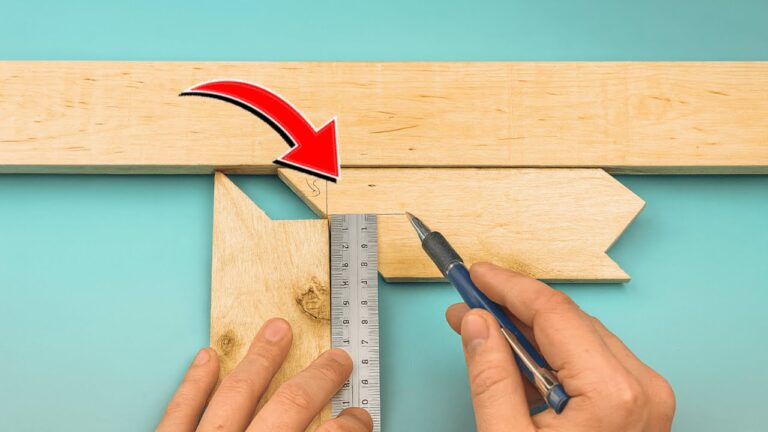
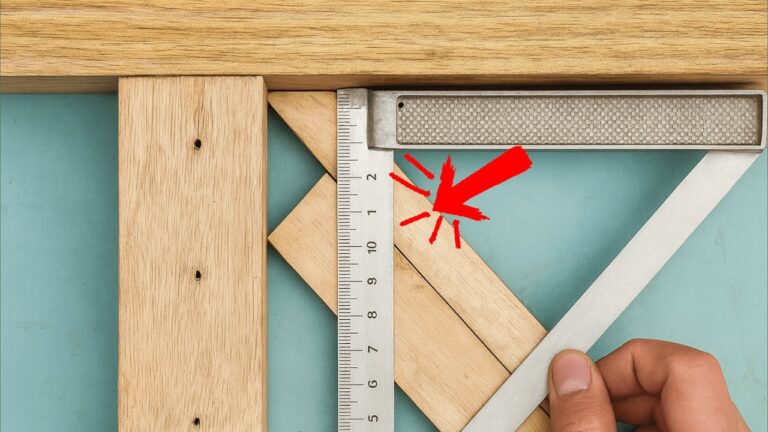
- Measure Accurately: Use a measuring tape and a square to mark your cutting line clearly on the wood.
- Secure Your Material: Ensure that your wood is clamped firmly to a stable surface to prevent movement during cutting.
Techniques for Precise Cuts
Once you’re prepared, mastering specific techniques will enhance your cutting accuracy. Below are key methods to consider:
1. Starting the Cut
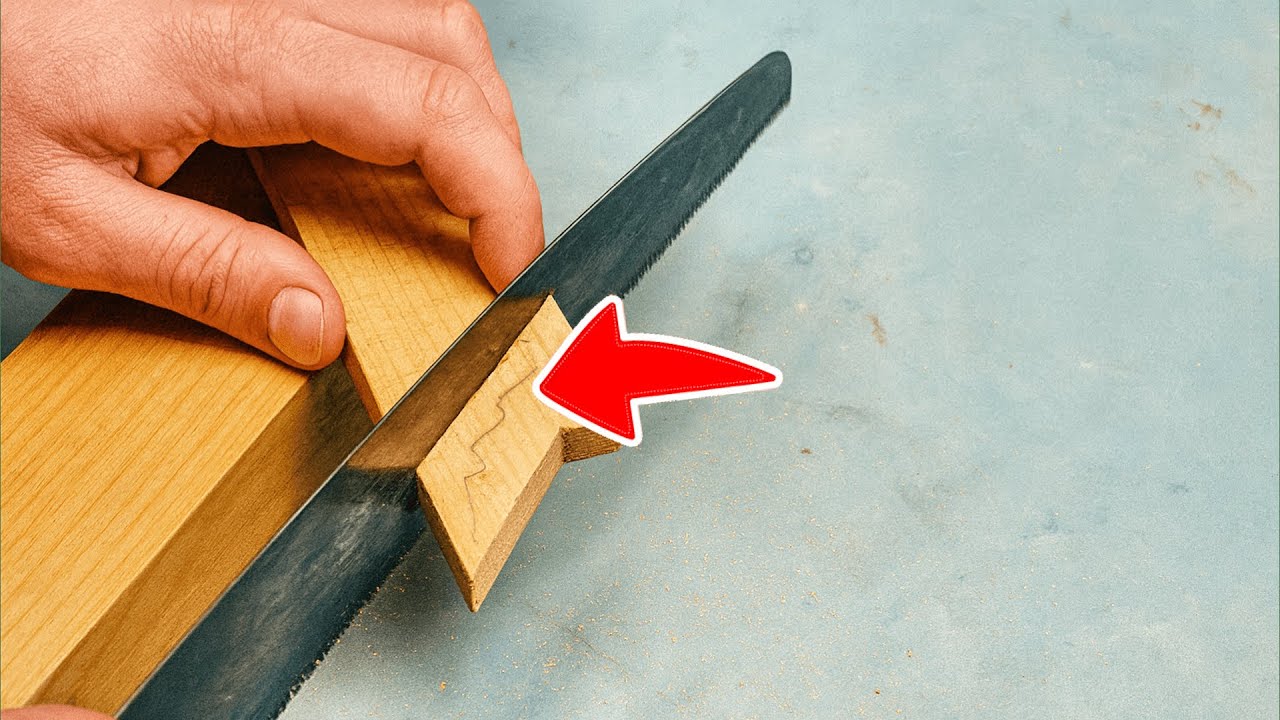
To begin, position the saw at a 45-degree angle to the wood. Use the tips of the saw teeth to create a small score line following your marked cut. This will guide the saw and prevent it from slipping.
2. Maintaining a Steady Pace
While cutting, keep a consistent speed. Avoid applying excessive pressure; instead, let the saw do the work. A firm grip on the handle will help, but too much force can lead to inaccuracies.
3. Checking Your Angle
Keep an eye on your sawing angle throughout the cut. Make adjustments as necessary to ensure that it remains perpendicular to the wood surface. This attention will result in cleaner cuts.
Common Mistakes to Avoid
As you learn these skills, be aware of common missteps that can hinder your progress. Here are a few pitfalls to watch for:
- Skipping Measurements: Failing to take precise measurements often results in misaligned cuts and wasted materials.
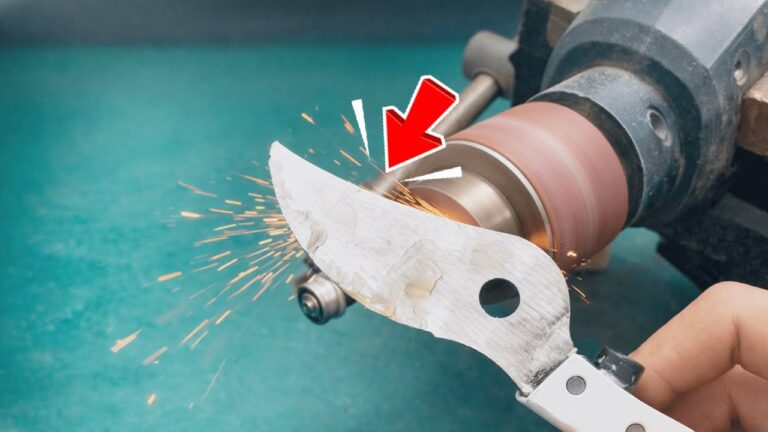
- Using Dull Blades: Always ensure your saw blades are sharp to make clean cuts. Dull blades can cause splintering and uneven edges.
- Neglecting Safety Gear: Always wear protective goggles and gloves to safeguard against sawdust and splinters.
- Rushing the Process: Take your time to focus on each cut; hurrying may lead to careless mistakes.
- Ignoring Grain Direction: Cutting against the grain may cause splintering, so always be attentive to the wood’s grain pattern.
FAQ
Q: What type of saw is best for beginners?
A: A general-purpose hand saw, such as a panel saw, is great for beginners as it handles both crosscuts and rips effectively.
Q: How do I know if my saw blade is dull?
A: If you find yourself applying more pressure than usual to cut, or if the saw splinters the wood, it may be time to sharpen or replace the blade.
Q: Can I cut curves with a hand saw?
A: While traditional hand saws are designed for straight cuts, you can use a coping saw for more intricate curves and shapes.
Conclusion
Mastering essential woodworking skills is key to achieving perfect hand saw cuts. With the right preparation and techniques, you can significantly enhance your woodworking projects. What challenges have you faced while cutting wood? Share your experiences in the comments below!