8 Simple Steps to Graft a Mango Tree for More Delicious Fruit
Graft Your Mango Tree for Better Yield: A Practical Guide
- Introduction
- Understanding Grafting
- Required Materials
- Step-by-Step Grafting Process
- Common Mistakes to Avoid
- FAQ
Introduction
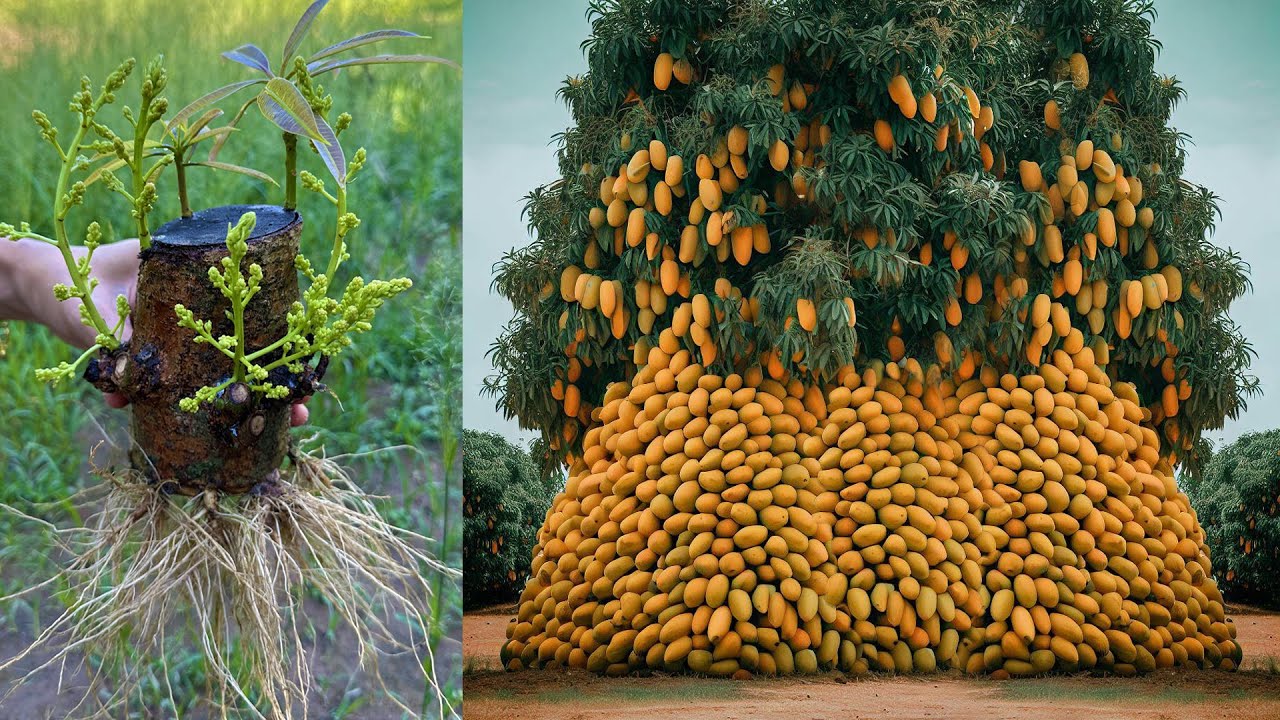
Picture your backyard brimming with luscious mangoes, each bite bursting with sweetness. However, many mango trees don’t produce the quantity or quality of fruit you desire. With the right techniques, you can transform your mango tree into a more fruitful variety through grafting. This method can enhance the flavor and yield of your mangoes, making your gardening efforts more rewarding. Keep reading to discover how you can master this technique.
Understanding Grafting
Grafting is a horticultural technique that involves joining two plants together so they grow as one. This method helps in enhancing fruit quality, increasing disease resistance, and accelerating growth. It’s especially beneficial for mango trees, which can sometimes be slow to produce fruit. Knowing the fundamentals will set the stage for successful grafting.
Benefits of Grafting Mango Trees
- Higher yields: Grafted varieties often produce more fruit than non-grafted ones.
- Improved quality: You can choose to graft a plant known for its delicious fruit.
- Faster fruit-bearing: Grafted trees often bear fruit sooner than seedlings.
Required Materials
Before you start grafting, gather all the necessary items to ensure a smooth process. Having everything at hand will help you focus on the technique itself.
- Sharp knife: A clean, sharp knife will minimize damage to the plants.
- Rootstock: Healthy mango tree that will serve as the base.
- Scion: A branch from the desired mango variety.
- Grafting tape: To secure the graft and protect it from pests.
- Sealant: You may need a sealant to protect the graft from moisture loss.
Step-by-Step Grafting Process
Now that you’re equipped with the right materials, it’s time to get grafting. Follow these 8 simple steps to maximize your chances of success.
Step 1: Prepare the Rootstock
Choose a strong, healthy rootstock. Make a clean cut about 6 to 12 inches above the ground.
Step 2: Select the Scion
Choose a healthy branch from a productive mango tree. The branch should be around the same diameter as the rootstock.
Step 3: Make the Cuts
With your sharp knife, make a slanting cut on the end of the scion about 4 inches long and a similar cut on the rootstock.
Step 4: Join the Scion and Rootstock
Carefully align the cambium layers (the green layer just below the bark) of both parts so they overlap as much as possible.
Step 5: Secure the Graft
Wrap the graft with grafting tape tightly but not too tight. This prevents movement that might damage the graft.
Step 6: Seal the Graft
Apply a sealant to the exposed parts of the graft to keep moisture in and prevent dehydration.
Step 7: Protect from Pests
Keep an eye on the graft for signs of pests or disease. Using a natural repellant can help in this regard.
Step 8: Monitor Progress
Over the next few weeks, observe any new growth. This can indicate that the graft is successful.
Common Mistakes to Avoid
While grafting is a rewarding process, several pitfalls can hinder your success. Here are some common mistakes to be aware of:
- Using dull tools: Always ensure your knife is sharp to make clean cuts.
- Neglecting moisture: Failure to seal the graft properly may lead to drying out.
- Over-taping: Using too much tape can restrict growth and cause damage.
- Incorrect timing: Grafting should ideally be done during the growing season when plants are active.
- Ignoring the weather: Avoid grafting during extreme temperatures, which can stress the plants.
FAQ
What is the best time to graft mango trees?
It’s best to graft mango trees during the growing season, typically late spring or early summer when the tree is actively growing.
How long does it take for a graft to take?
Most mango grafts will take 2 to 4 weeks to show signs of growth, depending on conditions and care.
Can I graft multiple varieties onto one mango tree?
Yes, you can graft different varieties onto the same tree, which can create a unique collection of mangoes.
Conclusion
Grafting a mango tree can elevate your gardening experience by providing more fruit and improved quality. By following the steps outlined, you can create a thriving mango tree. Have you ever tried grafting before, and what was your experience?