7 Essential Tips to Make Orchids Bloom Year-Round with Thriving New Roots
7 Essential Tips to Make Orchids Bloom Year-Round with Thriving New Roots
- Understanding Orchid Needs
- Optimal Lighting Tips
- Care and Watering Guidelines
- Common Mistakes to Avoid
- FAQ
Orchids are prized for their stunning blossoms and unique beauty, yet many people struggle to keep them thriving and blooming consistently. If you’ve found yourself frustrated with your orchids not producing flowers, or if you’re uncertain about how to encourage healthy growth, you’re not alone. Understanding their needs can often feel overwhelming. However, by learning the essential tips for making orchids bloom year-round, you can create a nurturing environment that promotes both vibrant flowers and robust root systems. Continue reading to discover how to keep your orchid plants thriving.
Understanding Orchid Needs
Before diving into care, it’s essential to understand what your orchids truly need to flourish. Orchids are epiphytic plants, which means they naturally grow on trees, absorbing moisture and nutrients from the air and their surroundings.
1. Nutritional Requirements
Orchids thrive on a balanced diet. They require specific nutrients to promote blooming and healthy roots:
- Nitrogen – promotes leaf growth.
- Phosphorus – essential for flowering.
- Potassium – helps strengthen roots.
2. Choosing the Right Medium
The potting medium is crucial for orchids. They need a well-draining mix that provides both air and moisture. Good options include:
- Bark chips
- Sphagnum moss
- Perlite
Optimal Lighting Tips
Light plays a significant role in orchid care. By understanding their lighting needs, you can enhance blooming cycles.
1. Ideal Light Levels
Most orchids prefer bright, indirect light. Direct sunlight can scorch their leaves while low light can hinder their growth:
- Position your orchids near east or west-facing windows.
- Use light curtains to diffuse harsh rays.
- Observe your plant; if leaves appear yellow, it may be getting too much light.
2. Seasonal Adjustments
As seasons change, so do light conditions. Be prepared to move your orchids or adjust their exposure:
- In winter, they may need more light, so consider rotating pots.
- In summer, ensure proper shading to prevent leaf burn.
Care and Watering Guidelines
Caring for orchids goes beyond watering. Understanding their specific needs ensures that they remain healthy and bloom continuously.
1. Watering Schedule
Orchids generally need to be watered thoroughly once a week, but this can vary:
- Check the potting medium; water when the top inch feels dry.
- Avoid letting water sit in the pot, which can cause root rot.
- Consider using ice cubes as an alternative watering method.
2. Humidity Levels
Orchids thrive in humidity levels of 40-70%. You can enhance humidity by:
- Using a humidity tray – place pebbles in water beneath the pot.
- Misting the leaves in the morning to retain moisture without waterlogging.
- Grouping plants together to create a microclimate.
Common Mistakes to Avoid
Even with the best intentions, it’s easy to make mistakes in orchid care that can hinder their growth and blooming. Here are some common pitfalls to avoid:
1. Overwatering
This is one of the most frequent mistakes; drowning the roots can kill your orchids. Always check the moisture level first.
2. Ignoring Temperature Changes
Orchids require specific temperature ranges to thrive. Sudden temperature shifts can stress the plants. Aim for consistent conditions.
3. Not Fertilizing
Orchids need nutrients to bloom. Skipping fertilization during their growing season can result in poor flowering.
FAQ
How often should I water my orchid? It’s generally recommended to water your orchids once a week, checking the medium first for dryness.
What should I do if my orchid isn’t blooming? Ensure it is receiving adequate light, nutrients, and the right amount of water. Adjusting these factors can often encourage blooming.
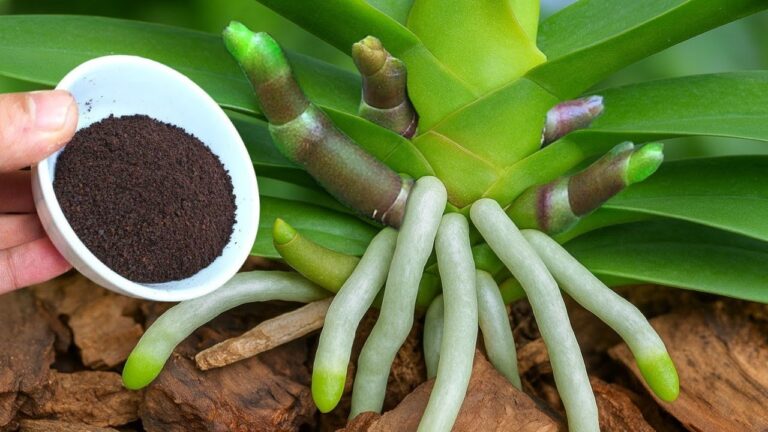
How do I know if my orchid roots are healthy? Healthy roots are firm and green. If they are mushy or dark brown, it’s a sign of rot.
In summary, successfully making orchids bloom year-round revolves around understanding their needs and avoiding common mistakes. By providing optimal light, proper care, and nutrient-rich conditions, you’ll see your orchids flourish. What challenges have you faced in caring for your orchids? Feel free to share your experiences in the comments.