Grow Orchids Year-Round: 5 Proven Tips for Thriving Roots and Blooms!
Grow Orchids Year-Round: 5 Proven Tips for Thriving Roots and Blooms
- Introduction
- Optimal Light Conditions
- Watering Techniques
- Fertilizing Tips
- Common Potting Mistakes
- FAQ
- Conclusion
Introduction
As an orchid enthusiast, you might have experienced the joy of watching your plants bloom, only to face the challenge of keeping them thriving throughout the year. These stunning flowers can sometimes seem delicate, requiring specific care to bloom continuously. You may be wondering what steps you can take to ensure their growth is healthy and fruitful. Understanding the essential aspects of orchid care can make a significant difference in your gardening experience. Let’s explore some proven tips that will help you nurture your orchids effectively.
Optimal Light Conditions
One vital factor in growing orchids is providing them with the right light. Orchids thrive in bright, indirect sunlight, which mimics their natural habitat in the canopies of tropical forests.
Choosing the Right Location
Position your orchids where they can receive ample light without direct sunlight burning their leaves. South or east-facing windows are often the best spots.
Using Artificial Lighting
If natural light is limited, consider using grow lights. Ensure they are set to provide light for about 12-14 hours a day. This ensures your orchids receive adequate energy for photosynthesis.
Watering Techniques
Proper watering is critical for the health of your orchids. Overwatering can lead to root rot, while underwatering can cause dehydration.
Understanding Water Needs
Most orchids prefer to dry out a little between waterings. Check the moisture level by sticking your finger about an inch into the potting media. If it feels dry, it’s time to water.
How to Water
When watering, use room-temperature water. You can either soak the pot in a basin of water for about 10-15 minutes or water directly, allowing excess water to drain out. Avoid letting water sit in the bottom of the pot.
Fertilizing Tips
To support robust growth and vibrant blooms, regular fertilization is essential.
Selecting the Right Fertilizer
Choose a balanced, water-soluble fertilizer formulated for orchids. A 30-10-10 formula is often recommended, providing the right nutrients.
Fertilization Schedule
Feed your orchids every two weeks during their active growing season, which typically spans spring through summer. In fall and winter, you can reduce this to once a month.
Common Potting Mistakes
Creating the right potting environment is crucial for orchid health. There are several common mistakes to be aware of.
Using the Wrong Potting Mix
Orchids do not thrive in conventional potting soil. Instead, a mix of bark, perlite, and sphagnum moss is generally recommended.
Transplanting Too Soon
It’s essential to give your orchids time to adjust in their pots. Avoid repotting unless absolutely necessary, ideally every one to two years. This gives the roots time to develop fully.
Ignoring Drainage
Make sure your pots have adequate drainage holes. Orchids cannot tolerate standing water in the roots, which can lead to disease.
FAQ
What is the ideal temperature for orchids?
Orchids generally prefer temperatures between 65°F and 75°F during the day and slightly cooler at night.
How often should I water my orchids?
Watering frequency can vary but generally every 7-10 days is a good rule, adjusting based on humidity and temperature.
Can I grow orchids in my home year-round?
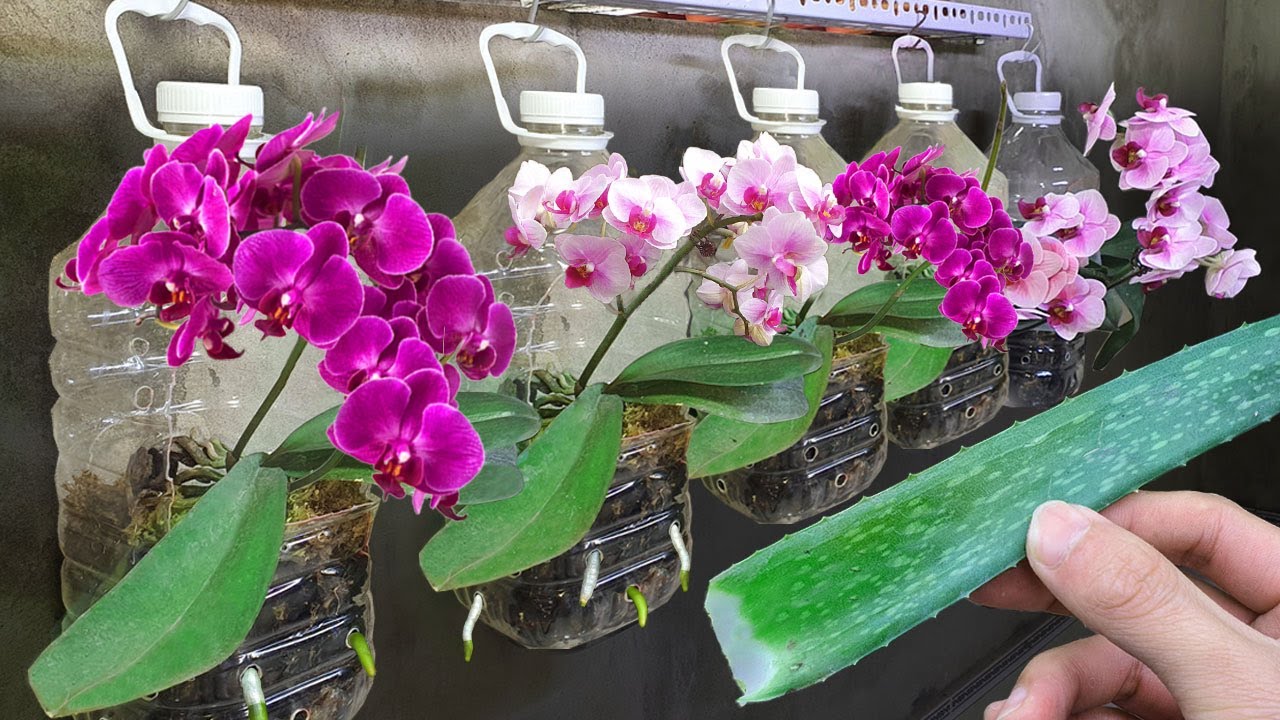
Yes, with the right care regarding light, water, and temperature, you can enjoy blooming orchids throughout the year.
Conclusion
By following these tips on optimal light, watering, fertilizing, and potting care, you can cultivate healthy orchids that thrive year-round. What observations have you made about your own orchids, and what challenges have you encountered? Share your experiences in the comments!