I Measured an Angle Incorrectly and Here’s What Happened: 3 Surprising Results!
What Happens When You Measure an Angle Incorrectly: 3 Surprising Outcomes
Introduction
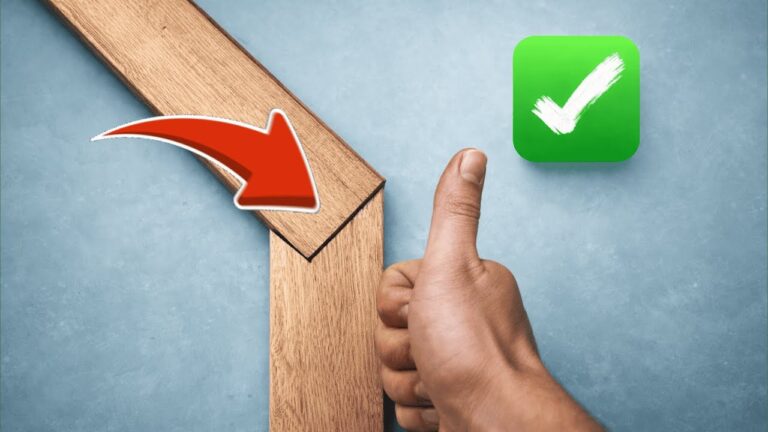
Have you ever found yourself in the midst of a DIY home project, carefully measuring and cutting materials, only to realize that a small mistake in angle measurement led to unexpected complications? Whether you’re framing a garden bed or constructing a shelf, precision is crucial. Miscalculating angles can lead to disjointed pieces, unstable structures, and even safety hazards. The frustration of realizing something is off is relatable, but the outcomes might surprise you. Keep reading to uncover the consequences of measuring an angle incorrectly and learn how to avoid these pitfalls.
Three Surprising Results
When an angle is measured incorrectly, the results can be more significant than you might expect. Here are three surprising outcomes that may arise from this common mistake.
1. Structural Instability
One of the most immediate consequences of incorrect angle measurement is structural instability. This issue can manifest in various projects, from home construction to furniture assembly.
- Improper joints: If angles are off, joints may not fit securely, leading to wobbling and collapsing.
- Uneven distribution: Weight might not be evenly distributed, creating a safety risk.
2. Increased Material Waste
Another significant result of incorrect angle measurements is the increase in material waste. This can be frustrating both financially and environmentally.
- Extra cuts: You may find yourself having to re-cut materials, which can waste resources.
- Replacement materials: Sometimes, incorrect measurements can lead to the need for completely new materials.
3. Aesthetic Discrepancies
Lastly, incorrect measurements can affect the visual appeal of your project. A slight angle error might seem minor, but it can lead to major aesthetic issues.
- Asymmetry: Elements that should align may be misaligned, creating an unsightly appearance.
- Imperfect finishes: Paint or finishes may not adhere properly if the structures aren’t right, leading to uneven surfaces.
Common Mistakes
Understanding what can go wrong is essential for improvement. Here are some common mistakes to avoid in angle measurement.
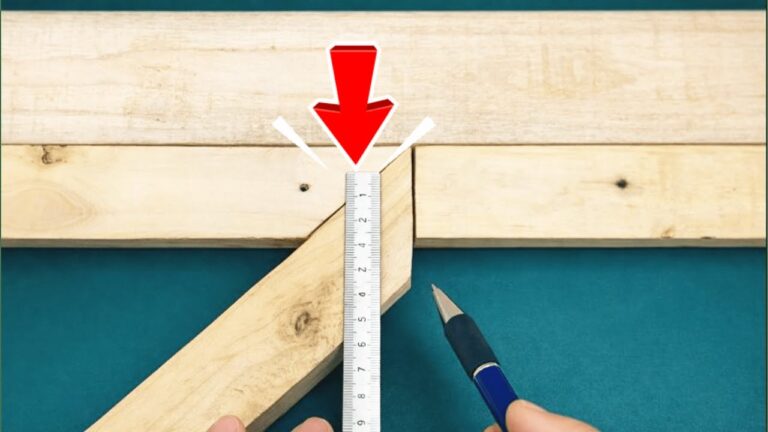
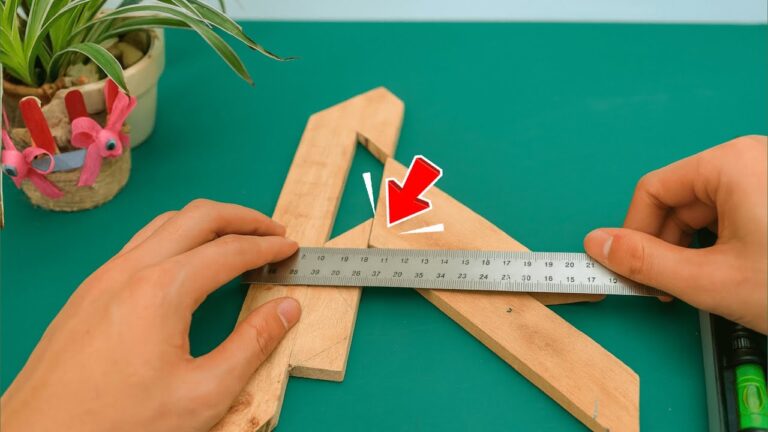
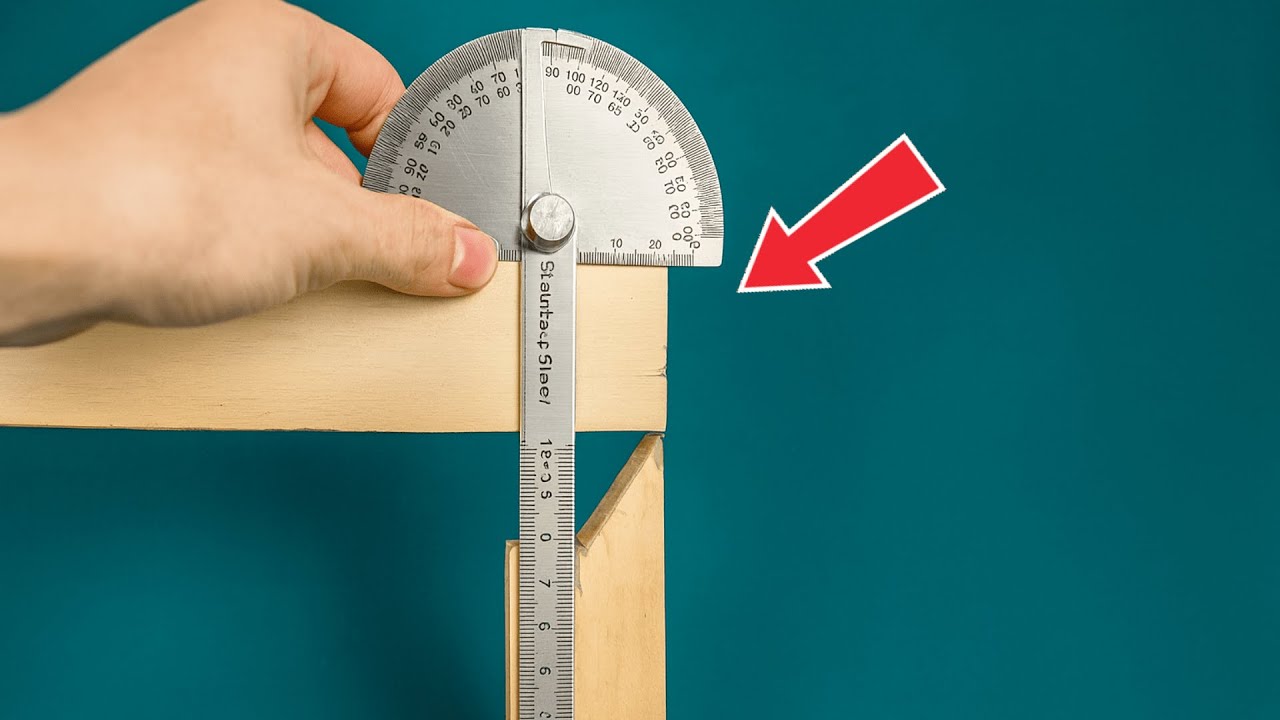
- Using the wrong tool: Relying on a ruler instead of a protractor can lead to inaccuracies.
- Ignoring calibration: Ensure that your measuring tools are calibrated correctly, as even minor discrepancies can cause significant measurement errors.
- Overlooking double-checking: It’s easy to make errors in the heat of the moment. Always take a moment to double-check your measurements.
FAQ
What tools should I use for accurate angle measurement? A protractor is ideal for measuring angles, but a digital angle finder can offer additional accuracy.
How can I improve my measuring skills? Practice measuring with different tools and techniques, and always take your time to ensure precision.
What should I do if I discover a measurement error? Re-calculate and make the necessary adjustments. Sometimes, starting over is the best option.
Conclusion
Measuring angles incorrectly can lead to structural issues, increased waste, and aesthetic problems in your projects. By being mindful of common pitfalls, you can enhance your results significantly. What’s the most challenging DIY angle measure you’ve faced?