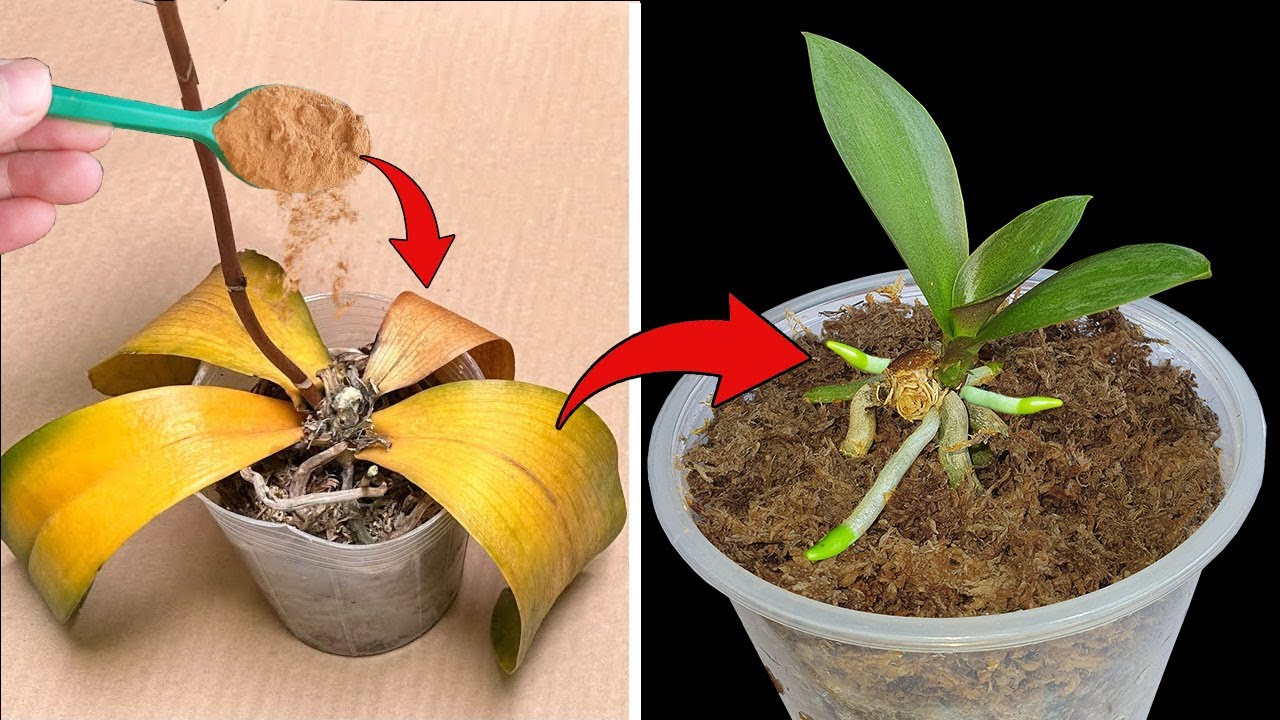
Revive 10 Rotten Orchids Instantly with This Simple Method for Garden Success
Revive Your Rotten Orchids Instantly with This Simple Method
- Why Orchids Rot
- How to Identify Rotting Orchids
- Step-by-Step Method for Reviving
- Common Mistakes to Avoid
- FAQ
Why Orchids Rot
Orchids are captivating detailed plants that can sometimes face challenges, leading to their decline. Understanding the causes of orchid rot is essential. Factors such as overwatering, inadequate drainage, or pest infestations can contribute to this unwanted situation. You might feel disheartened when you notice your once-thriving orchid showing signs of distress. Know that there are steps you can take to bring them back to health. Keep reading to discover more.
How to Identify Rotting Orchids
Recognizing the signs of rot is crucial for timely intervention. Watch for the following indicators:
- Brown or black spots on leaves are often signs of rot.
- Soft and mushy roots indicate that your orchid might be suffering from overwatering.
- Foul odor in the pot can be a telltale sign of decaying material within the medium.
Doing a quick inspection can help catch problems before they escalate. If you notice these symptoms, your next steps are vital for revival.
Step-by-Step Method for Reviving
Bringing your orchids back to health can be accomplished with a straightforward approach. Follow these steps for the best results:
Required Materials
Gather the following materials before you begin:
- Sharp pruning shears
- New orchid potting mix
- A container for soaking roots (optional)
Reviving Steps
- Remove the orchid from its pot gently. Be careful not to damage the roots.
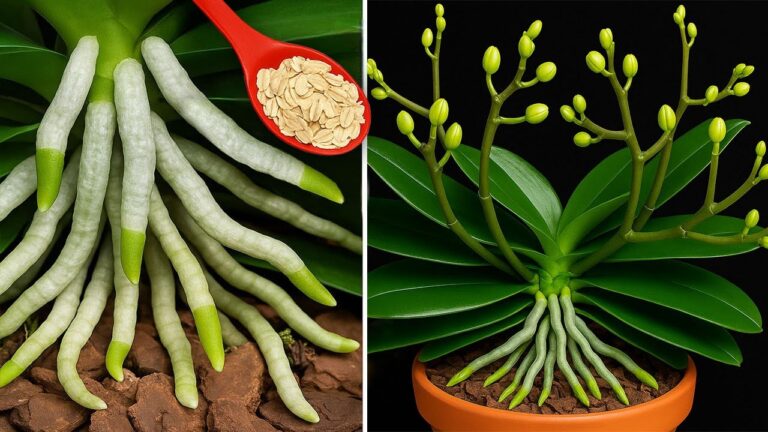
- Inspect the roots for any rot. Healthy roots should be firm and greenish. Cut away any dark, mushy areas with clean shears.
- Soak the remaining roots in water for a maximum of 30 minutes. This can help rejuvenate them before replanting.
- Repot your orchid in fresh, dry potting mix. Ensure it has adequate drainage.
- Water your plant lightly, only enough to moisten the new mix. Overwatering can set back your efforts.
Following these steps will give your orchids the best chance for recovery.
Common Mistakes to Avoid
When attempting to revive your orchids, avoid these pitfalls:
- Overwatering immediately after repotting can lead to new rot.
- Using old potting mix may harbor pests or diseases.
- Ignoring the signs of rot early can make recovery much more difficult.
Stay observant, and you will increase the chances of your orchid thriving again.
FAQ
How do I know if my orchid is recovering? Look for new growth, healthy roots, and a change in leaf color. These are signs that your orchid is on the mend.
Can I save a completely wilted orchid? With care and the right approach, even severely wilted orchids can potentially be revived, though success varies.
How often should I water my orchids? Generally, orchids prefer to dry out a little between waterings. This can be once a week or longer depending on the environment.
Conclusion
Reviving your rotten orchids may take patience and care, but with the right steps, you can turn them around. What’s your experience with restoring your plants? Share your thoughts in the comments!